2 hr 30 min
Tra Que Herb Village Cooking Class
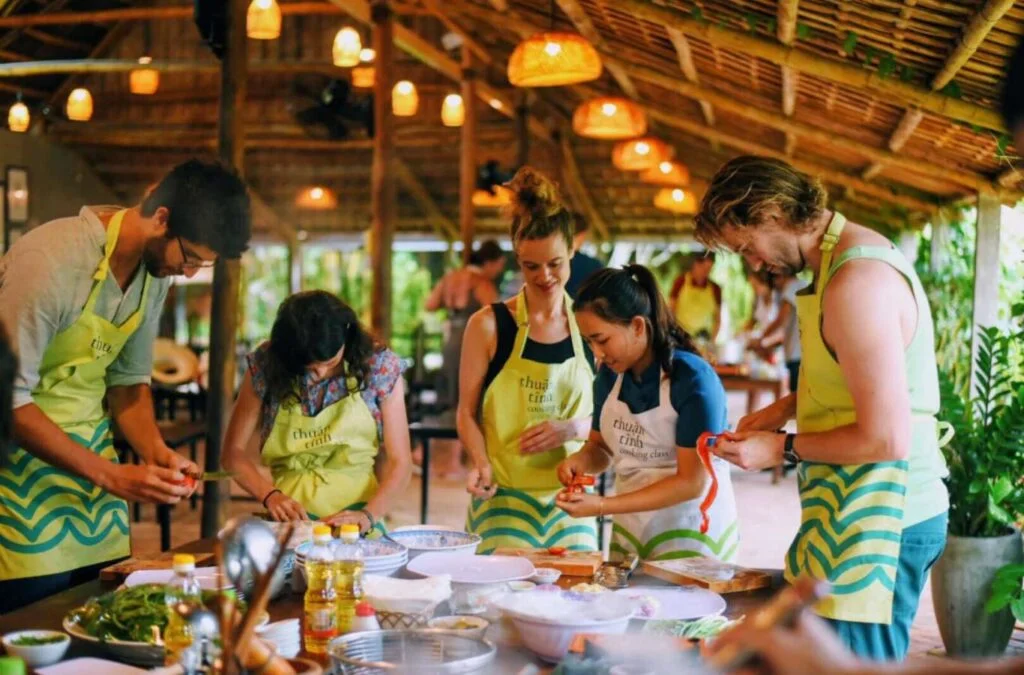
Master Vietnamese cuisine in a lush herb garden, crafting traditional Hoi An dishes from scratch
Reserve
Harvest herbs beside farmers, cook ancestral recipes in open-air kitchens
Hand-picked by our editors — only the best 4 experiences from 12 reviewed.
Verified partners for Tra Que Cooking Class tours, free cancellation where available, and instant confirmation on every booking.
2 hr 30 min
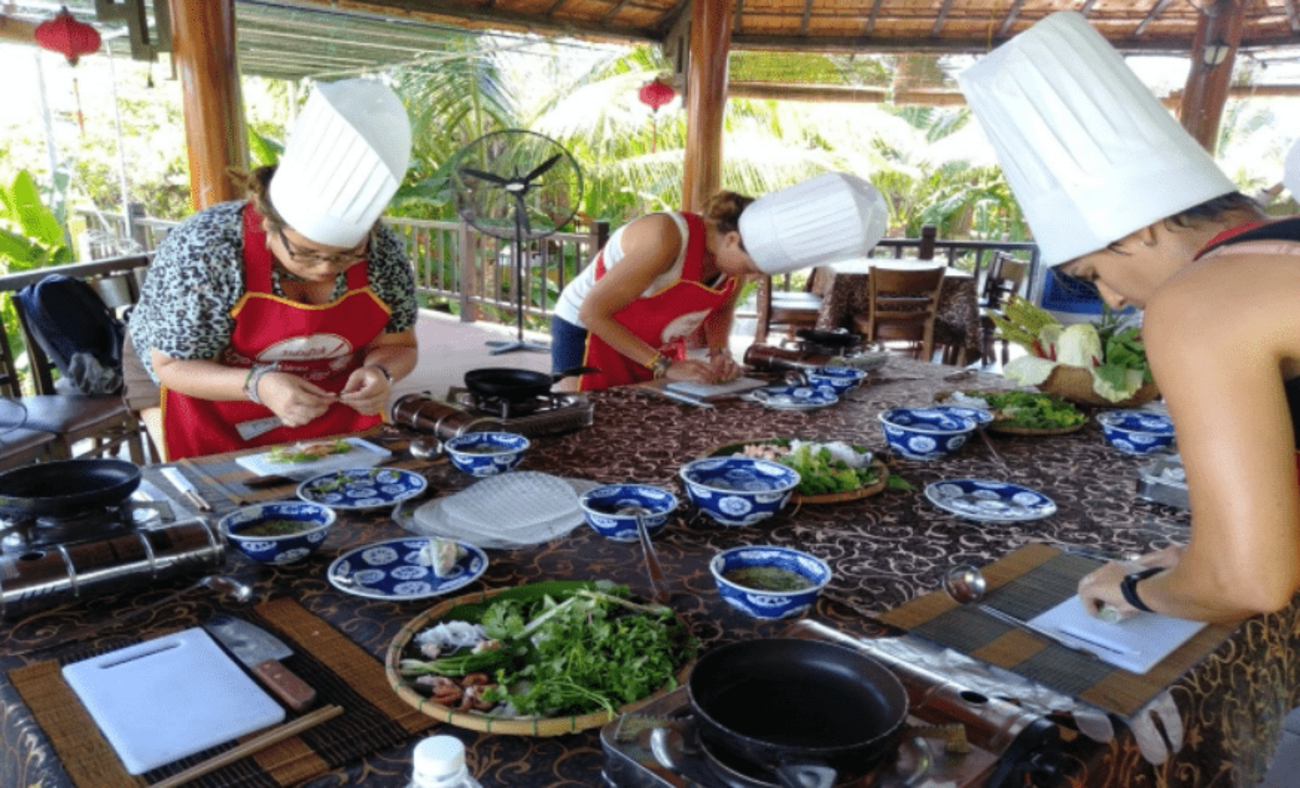
Master Vietnamese cuisine in a lush herb garden, crafting traditional Hoi An dishes from scratch
Reserve
3 hr
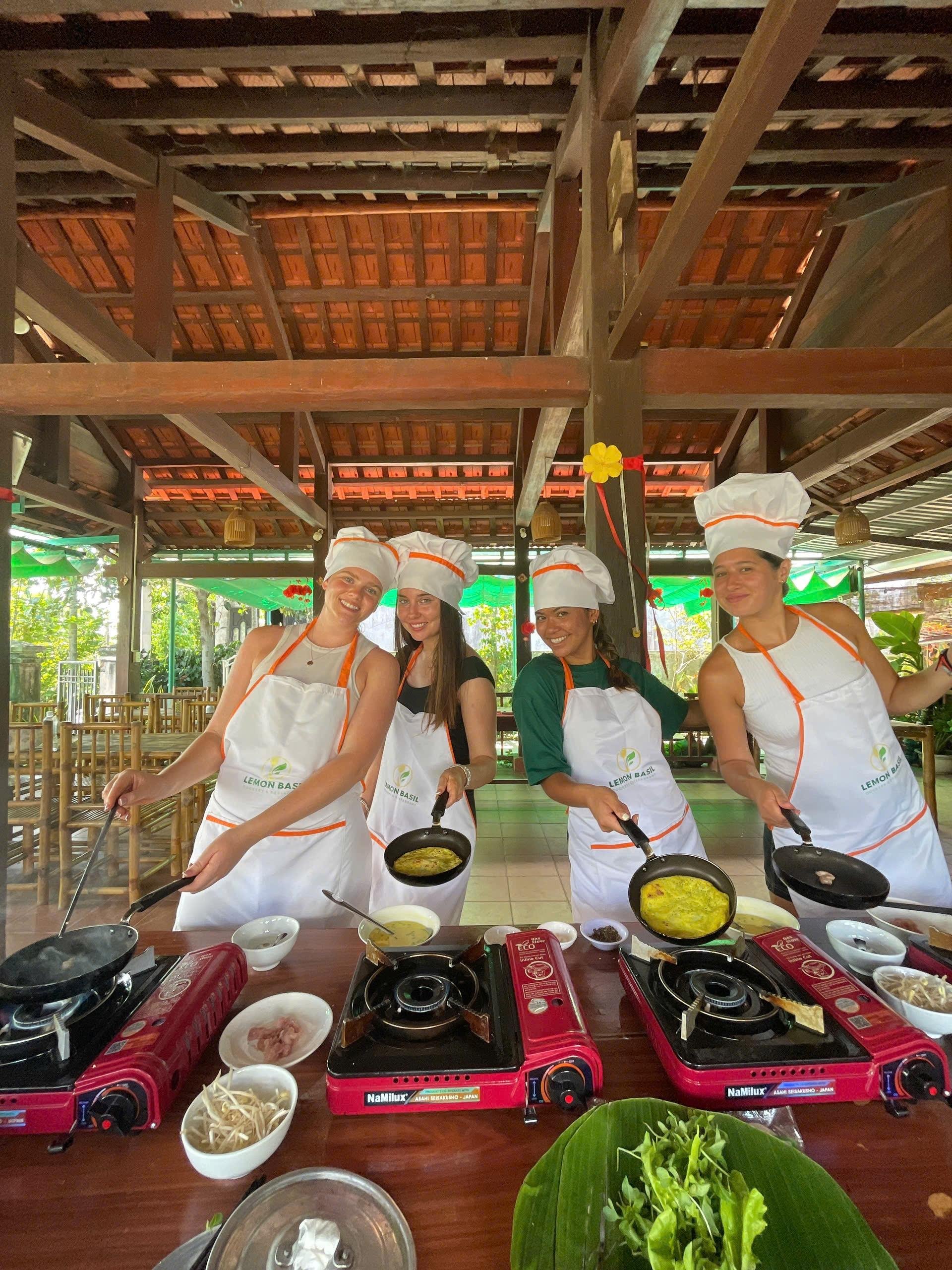
Master authentic Vietnamese dishes in a hands-on culinary experience at a farm-to-table cookery
Reserve
5 hr
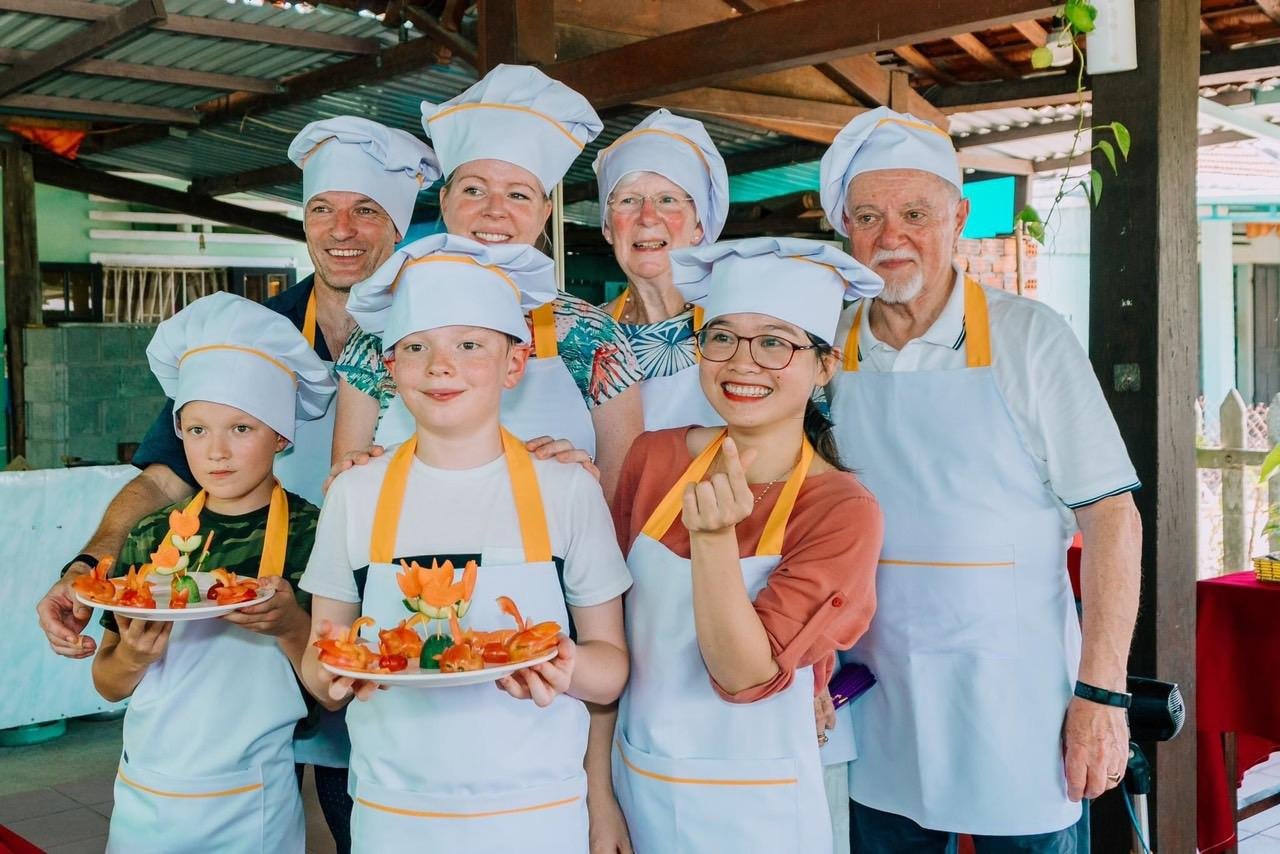
Master Vietnamese cuisine at an organic farm, from market shopping to harvesting vegetables and cooking traditional dishes
ReservePrices from verified partners. Availability updates in real time at checkout. Free cancellation policies apply where shown.
The landmarks, rooms, and views travelers on Tra Que Cooking Class tours remember — all visible on a single visit.
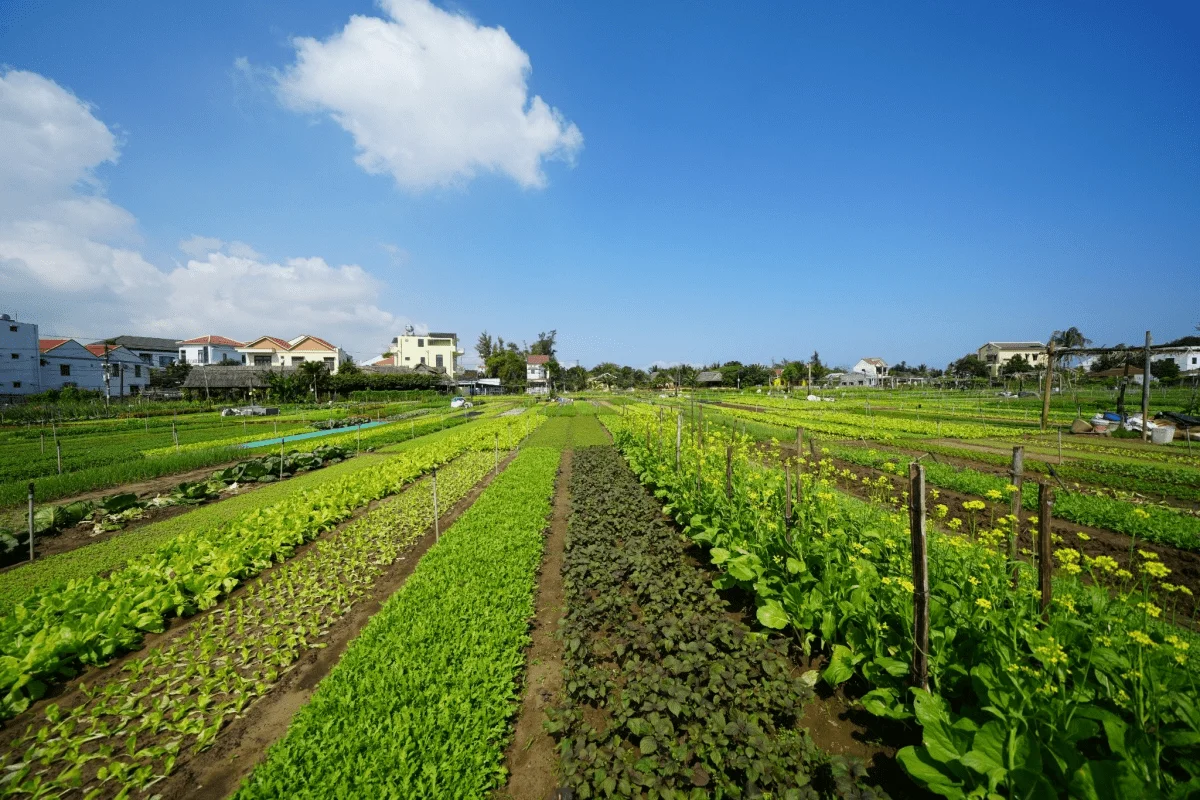
The village uses traditional seaweed fertilizer from the local river to grow over 20 types of herbs. This unique method results in distinct aromatic profiles for every plant.
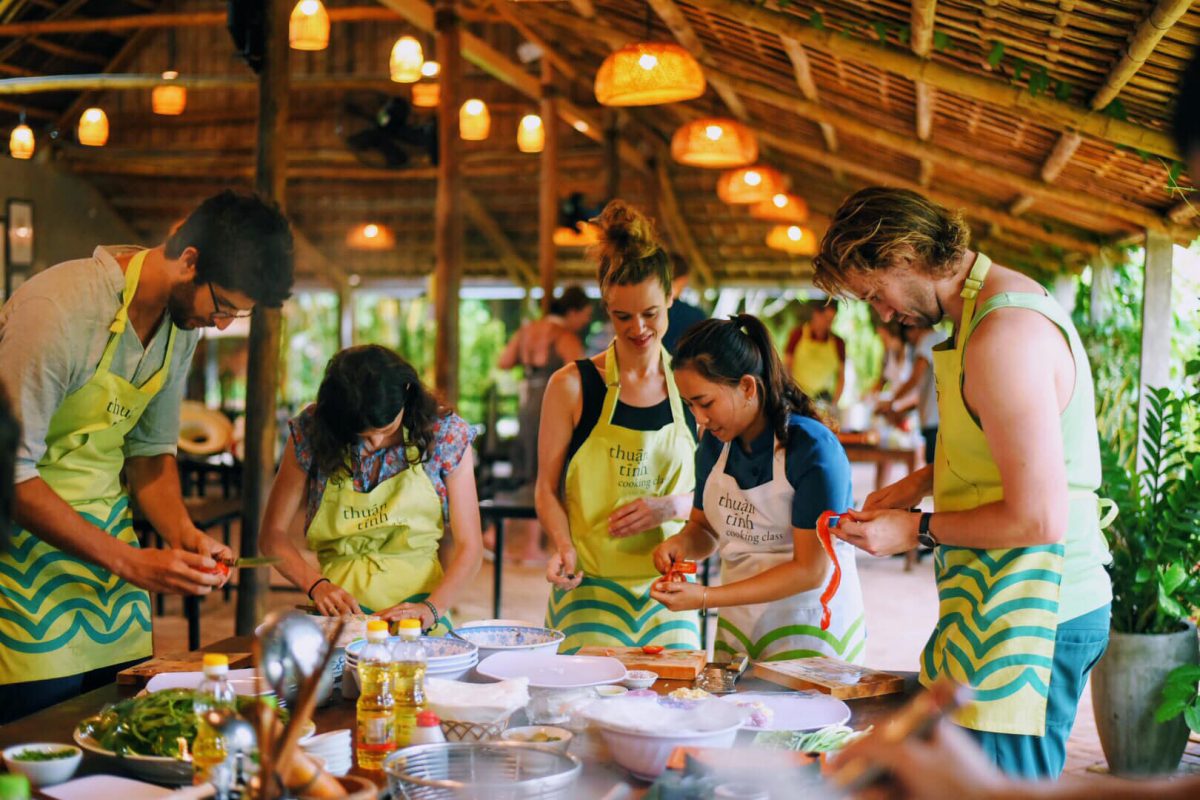
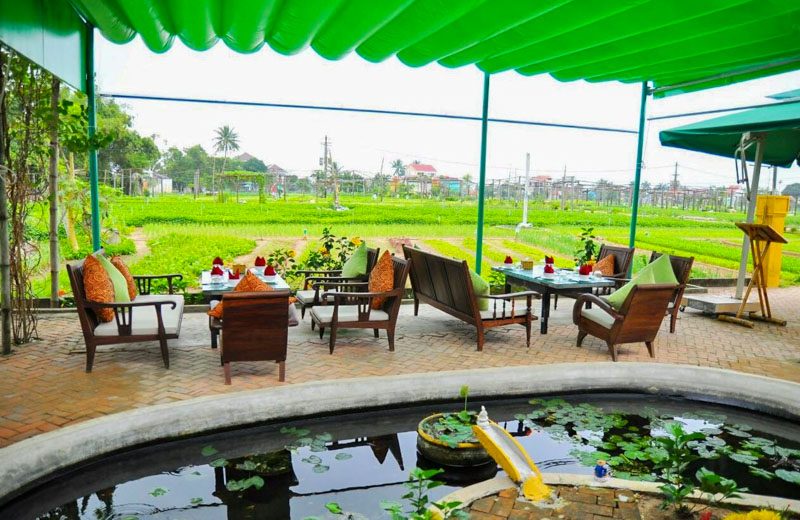
These stations are set amidst the greenery, allowing guests to cook with ingredients picked seconds before use. The setup provides a direct connection between farming and gastronomy.
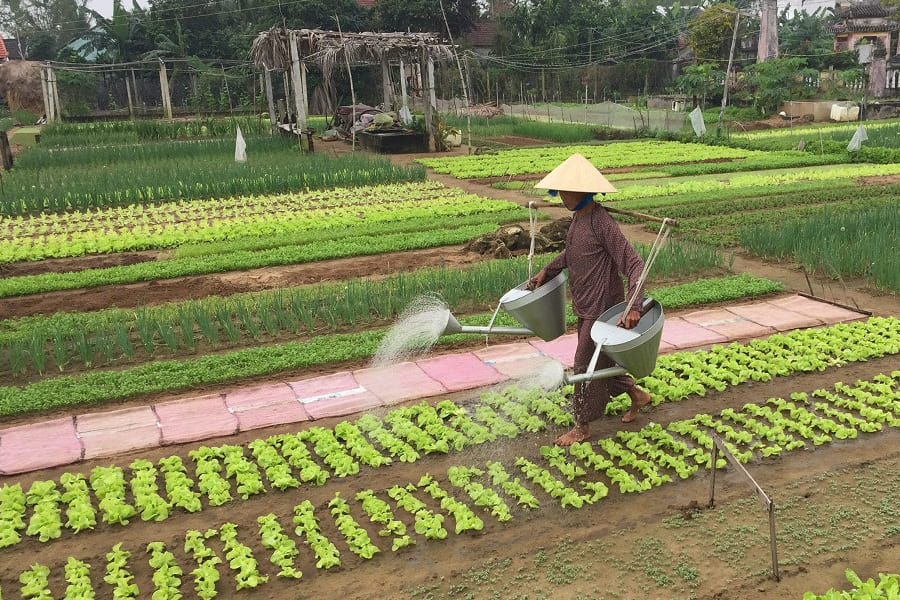
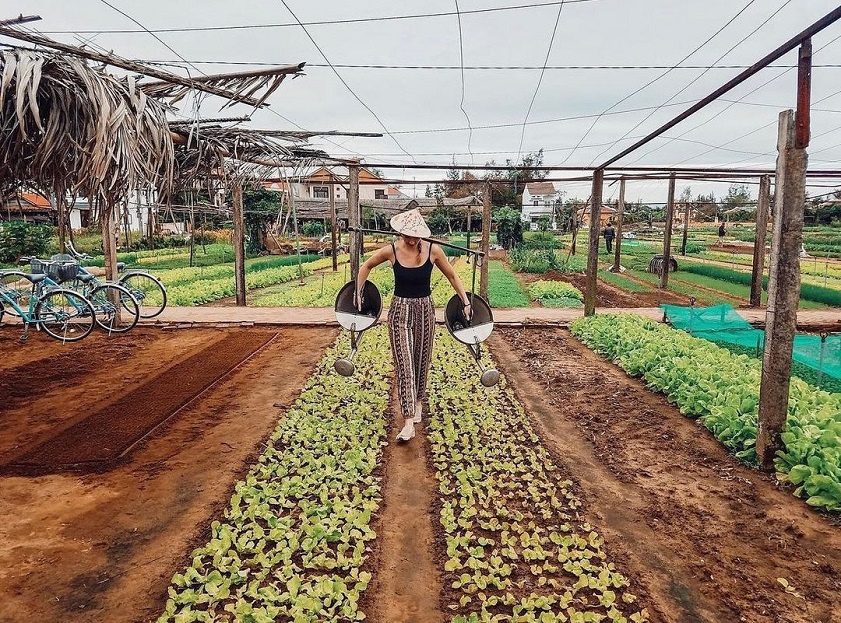
Learn how farmers manually water the crops using traditional buckets and tools. These techniques have been passed down through generations of local families.
This area showcases the propagation process for various local greens and sprouts. It offers an insight into the meticulous care required for organic cultivation.
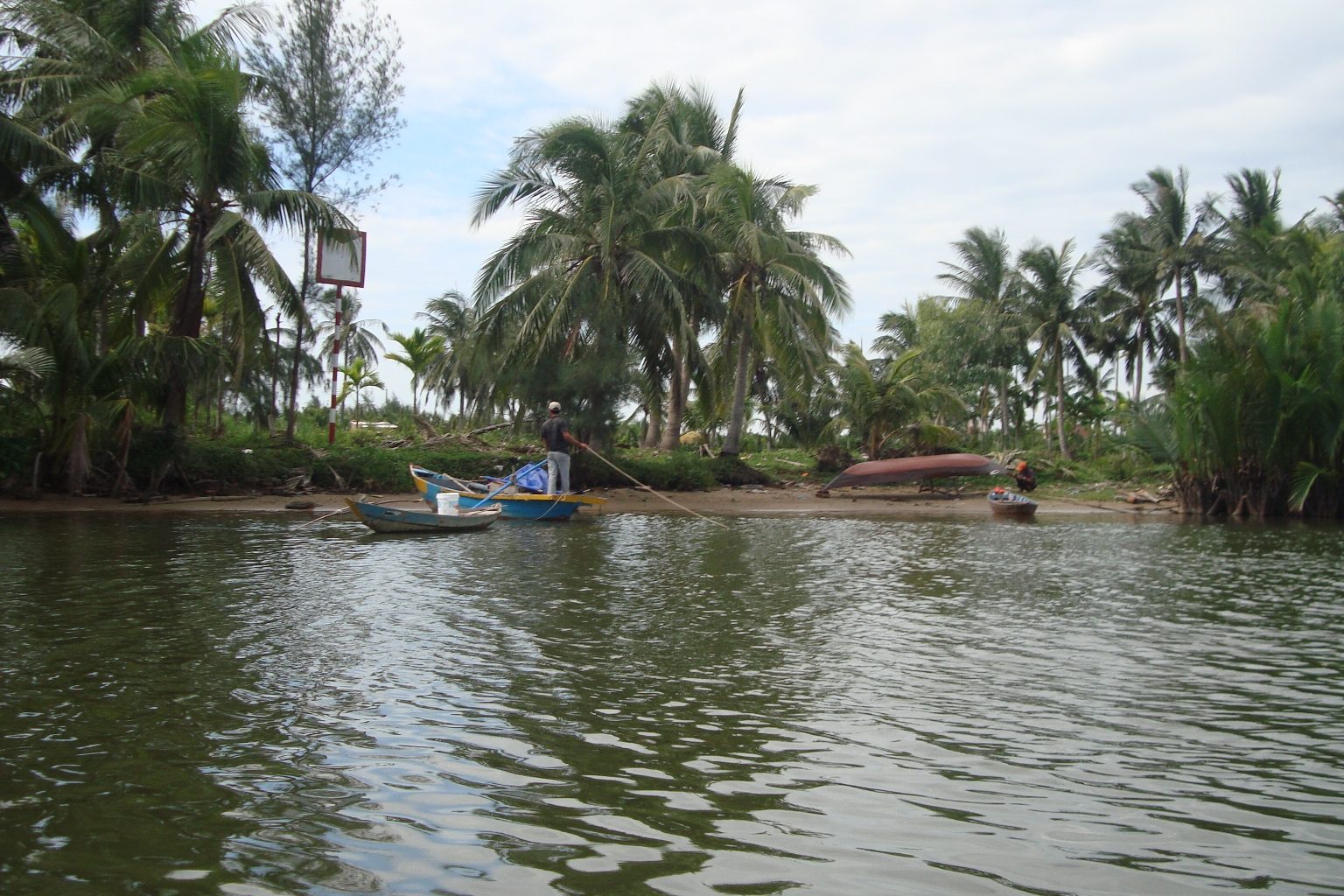
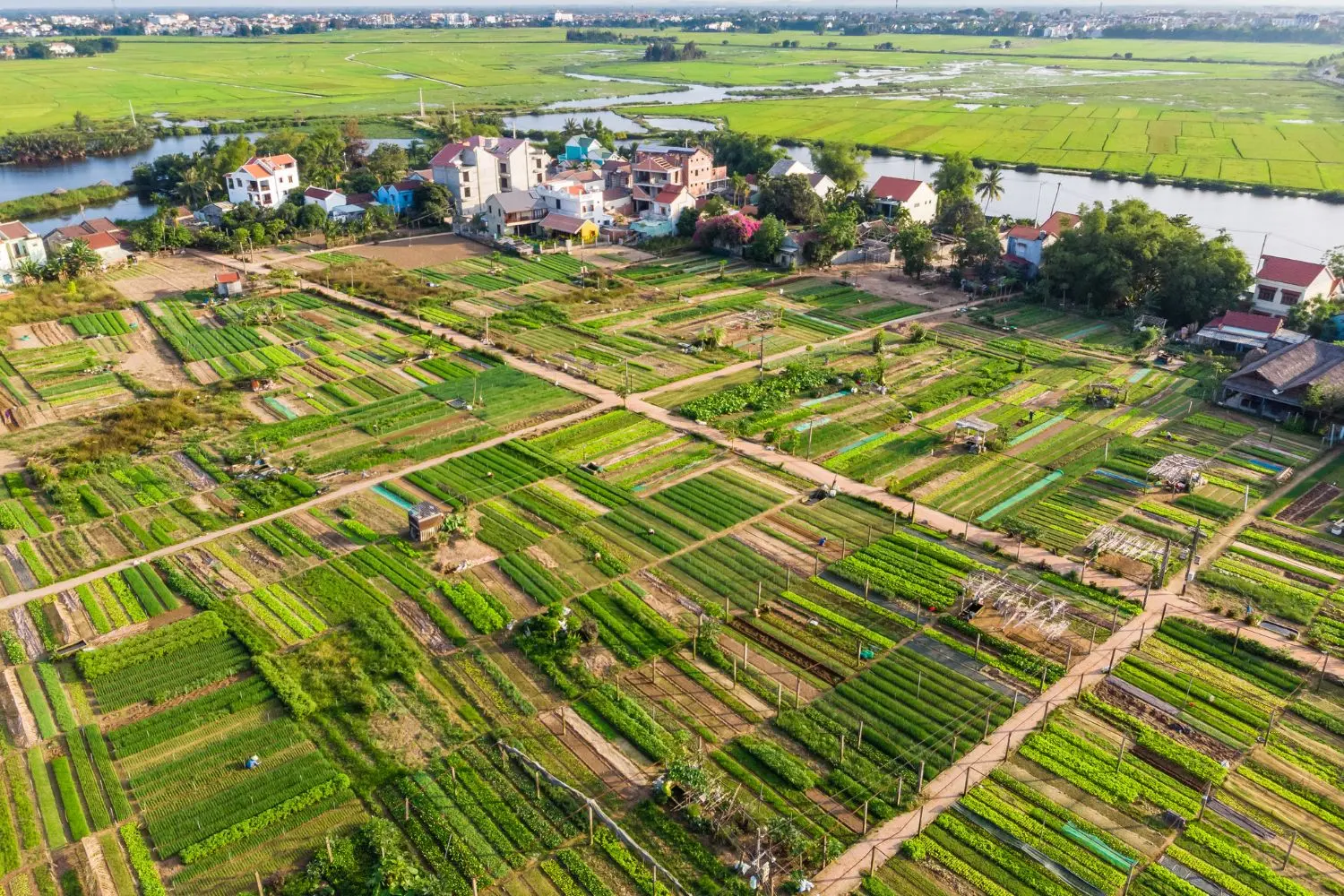
The village borders the De Vong River, providing a quiet backdrop for relaxation after your class. Many visitors enjoy walking along the banks to observe local fishing boats.
Every Tra Que Cooking Class tour side-by-side — duration, what's included, how you redeem.
| Experience | Duration | Rating | Transfers | Pickup | Small group | Free cancel. | Price | |
|---|---|---|---|---|---|---|---|---|
|
Standard Entry Most popular
Tra Que Herb Village Cooking Class
|
2 hr 30 min | ★ 4.6 | — | — | ✓ | ✓ | €28 | Book → |
|
Standard Entry
Vietnamese Cooking Class at Organic Farm
|
3 hr | ★ 5.0 | — | — | — | ✓ | €19 | Book → |
|
Standard Entry
Tra Que Village Cooking Class & Farm Experience
|
5 hr | ★ 5.0 | ✓ | ✓ | ✓ | ✓ | $42 | Book → |
All prices from verified partners. Availability and exact terms confirmed at checkout.
They complement each other; most visitors who do both call the farm-based Tra Que cooking class the more immersive environmental experience, while the market tour excels in culinary logistics.
| Feature | Top pick Tra Que Vegetable Village | Hoi An Market Cooking School |
|---|---|---|
Environment |
Open-air organic garden | Urban kitchen facility |
Primary Activity |
Farming and herb harvesting | Recipe preparation and knife skills |
Ingredient Sourcing |
Directly from garden plots | Purchased at central market |
Authenticity Focus |
Traditional rural cultivation | Standardized commercial culinary techniques |
Transit Effort |
Requires travel to outskirts | Accessible in city center |
Tra Que cooking class tours |
Included in experience | Not applicable |
| See tickets → |
Verdict: Choose the vegetable village for a hands-on connection to local agriculture, or select the market tour if you prefer securing tra que cooking class tickets for a convenient, focused session on Vietnamese cooking methods.
Choose your ticket, select your date, and reserve in under two minutes. Secure checkout handled by our verified partner.
Instant confirmation by email, with a mobile voucher you can save offline. No printing, no queuing at a collection desk.
Arrive at the entrance, show your voucher on your phone, and walk in. Most tickets include priority or skip-the-line access.
Practical details for Tra Que Cooking Class tickets straight from our verified partners — hours, access, rules, and how to get there.
Hai Ba Trung Street
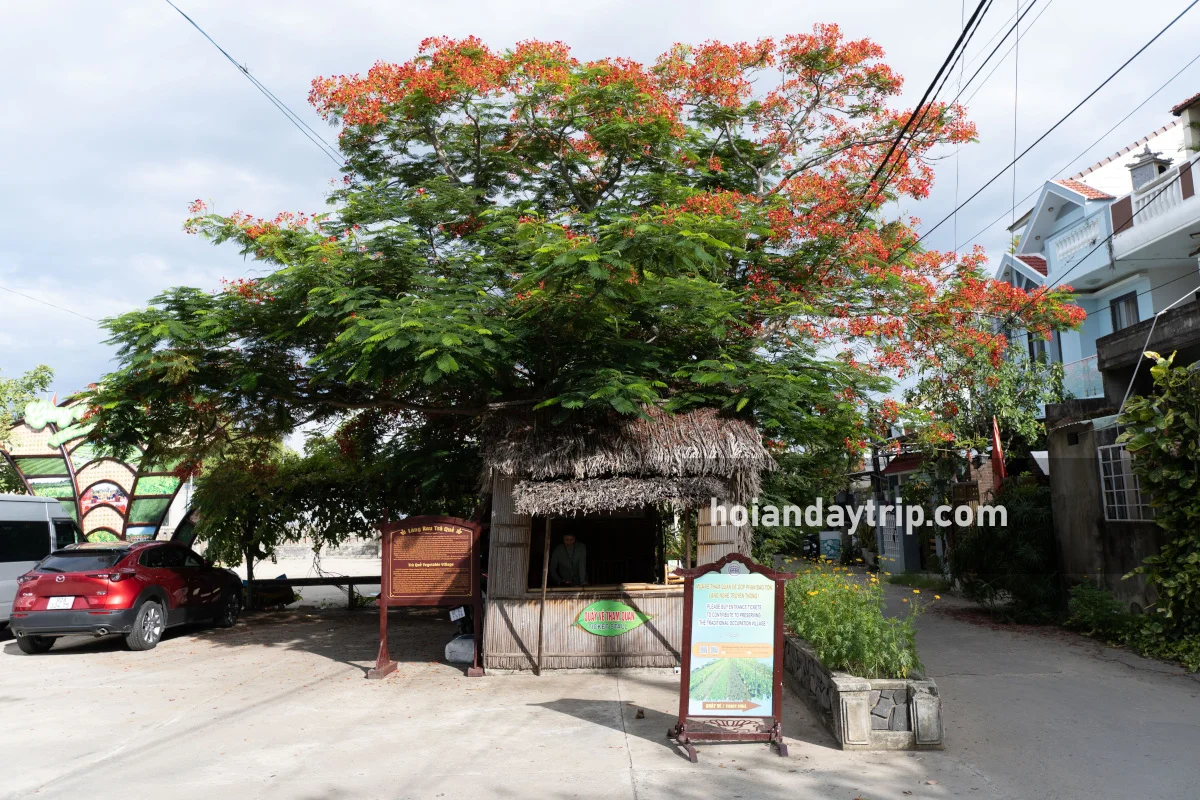
Look for the official ticket booth.
Open in Google MapsDirect transport from Hoi An Ancient Town takes approximately 10 minutes.
A popular route involves cycling through rice paddies from the town center.
Casual, breathable clothing is recommended for the humid climate. Closed-toe shoes are advised for walking through the muddy soil of the vegetable beds during your tra que cooking class experience.
Small daypacks are acceptable. Secure your valuables as there are no formal locker facilities for this outdoor culinary workshop.
Photography is encouraged throughout the gardens and kitchen areas. Please remain on marked paths to avoid damaging crops during your visit.
The village consists of unpaved, uneven dirt paths. Wheelchair users may find navigation challenging, especially after rainfall.
Mobile phones are permitted for capturing photos and videos. Ensure devices are kept away from water and soil during the preparation segments.
The vegetable farm provides an interactive environment for children to learn about organic farming. Ensure minors are supervised near irrigation channels.
Classes include lunch featuring local ingredients harvested on-site. Bottled water is provided, but guests are encouraged to bring a reusable bottle.
Pets are not permitted within the active gardening zones for hygiene reasons. Please make arrangements for animals before your arrival.
As an active farming community, the site maintains a peaceful environment. Please follow instructions from local guides to support sustainable practices.
Hai Ba Trung Street
Look for the official ticket booth.
Get directionsBest time to go, insider tips, nearby landmarks, and the cancellation fine print — flip through to skim what matters to you.
How crowds, weather, and events shift across the year.
February to April offers mild temperatures and lush greenery ideal for touring the village. The weather is dry, perfect for outdoor vegetable harvesting.
Small details that turn a good visit into a great one.
Reserve your tra que cooking class tickets at least a week in advance during peak season. This ensures availability during your preferred time slot.
Stay on defined footpaths and avoid touching irrigation systems. This preserves the organic integrity of the farming village.
Carry small denominations for the 35,000 VND conservation fee. Precise change helps the ticket staff expedite entry for arriving guests.
Opt for light, breathable fabrics to manage the central Vietnam humidity. A hat provides essential protection while working in the fields.
Avoid booking your tra que cooking class tour during heavy rain. The outdoor kitchens and garden paths are less accessible in wet conditions.
Non-bookable sights within a short walk — free to visit, easy to pair.
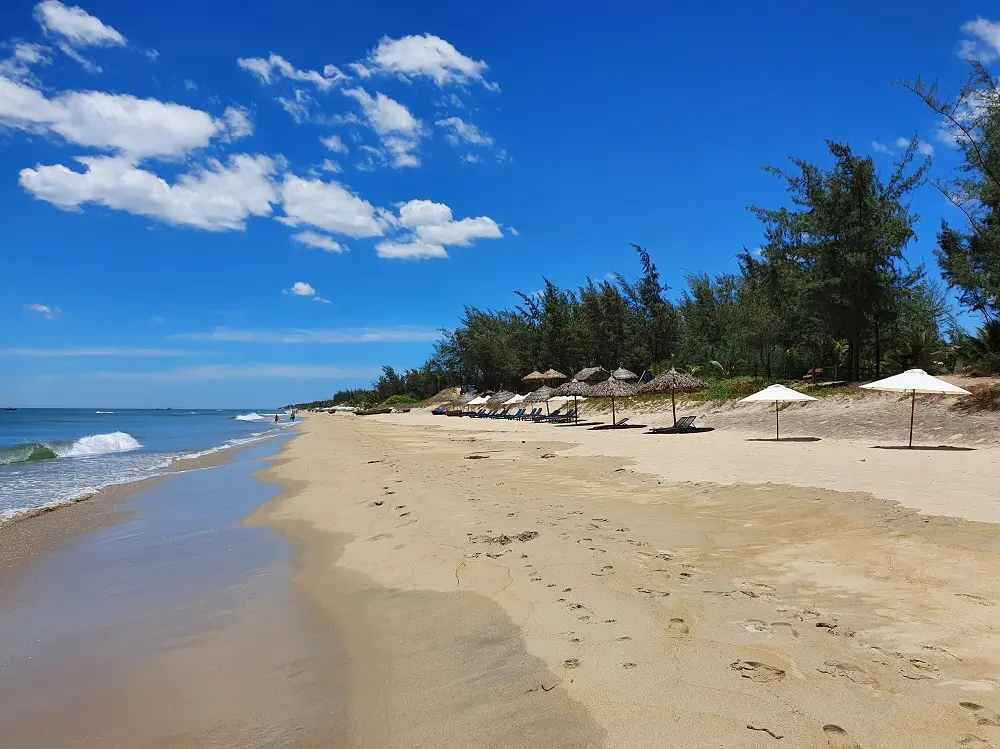
A quiet stretch of coastline known for relaxation and seafood restaurants.
Scenic waterway historically used for transporting local agricultural goods.
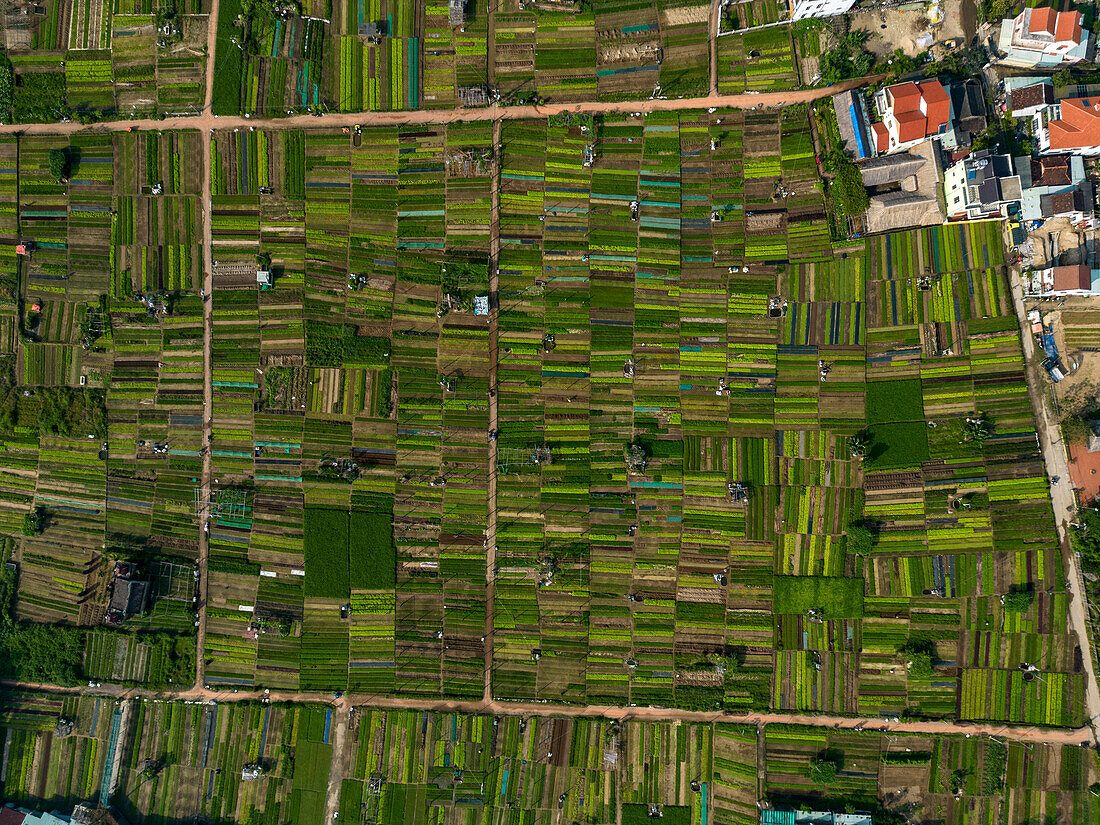
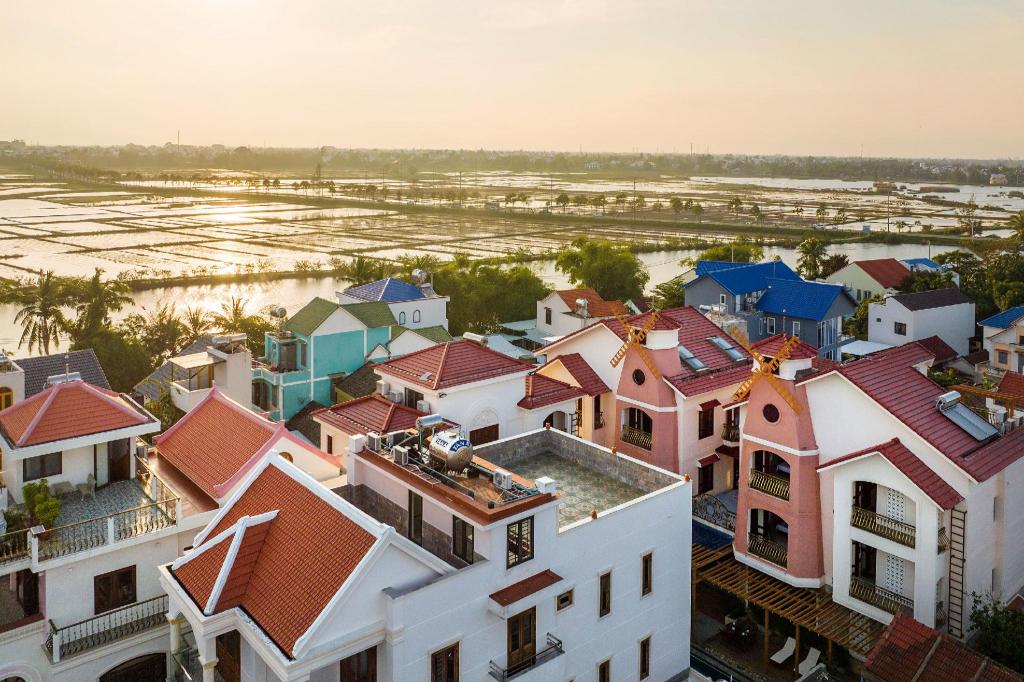
Expansive agricultural landscapes surrounding the village.
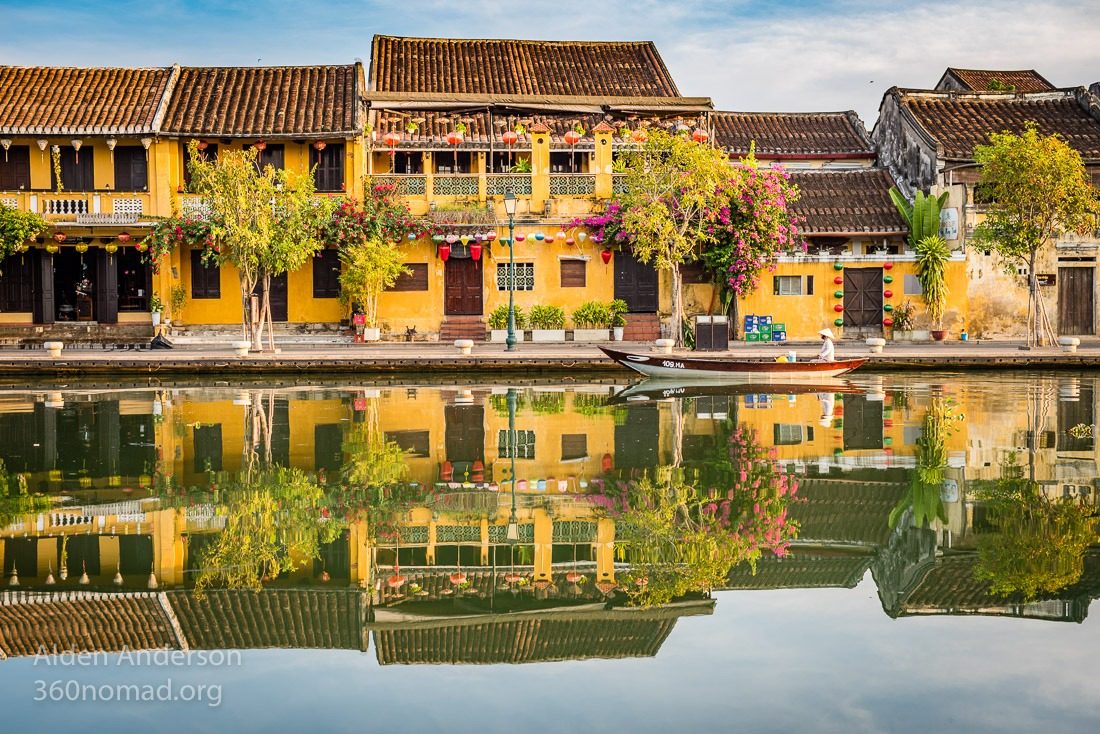
A UNESCO site featuring yellow-walled architecture and traditional homes.
Flexible, no hidden fees.
Full refunds are typically available for cancellations made at least 24 hours before the scheduled tra que cooking class tour. The 35,000 VND conservation fee is generally non-refundable if the entry has already been processed.
Hand-picked options within walking distance — pick a district for vibe, or a specific hotel for convenience.
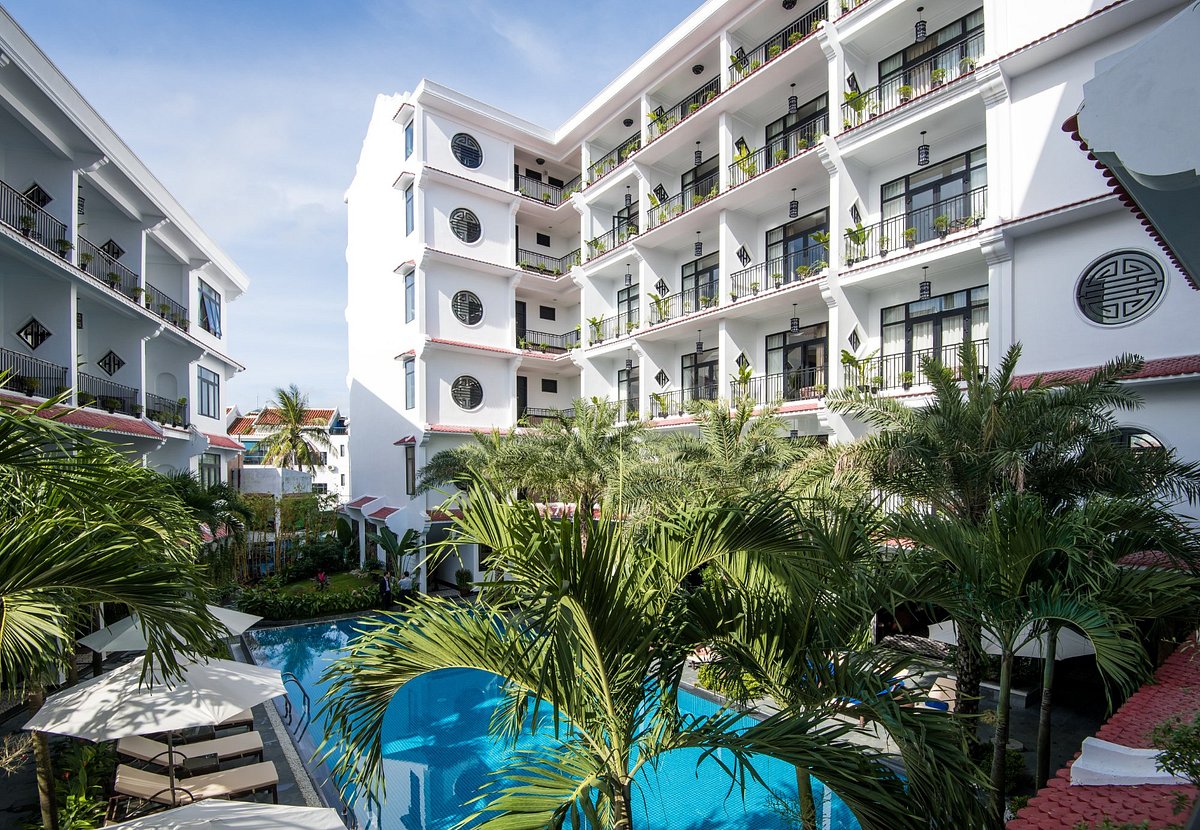
Upscale property located near the river and vegetable farms.
Comfortable stay situated directly within the village outskirts.
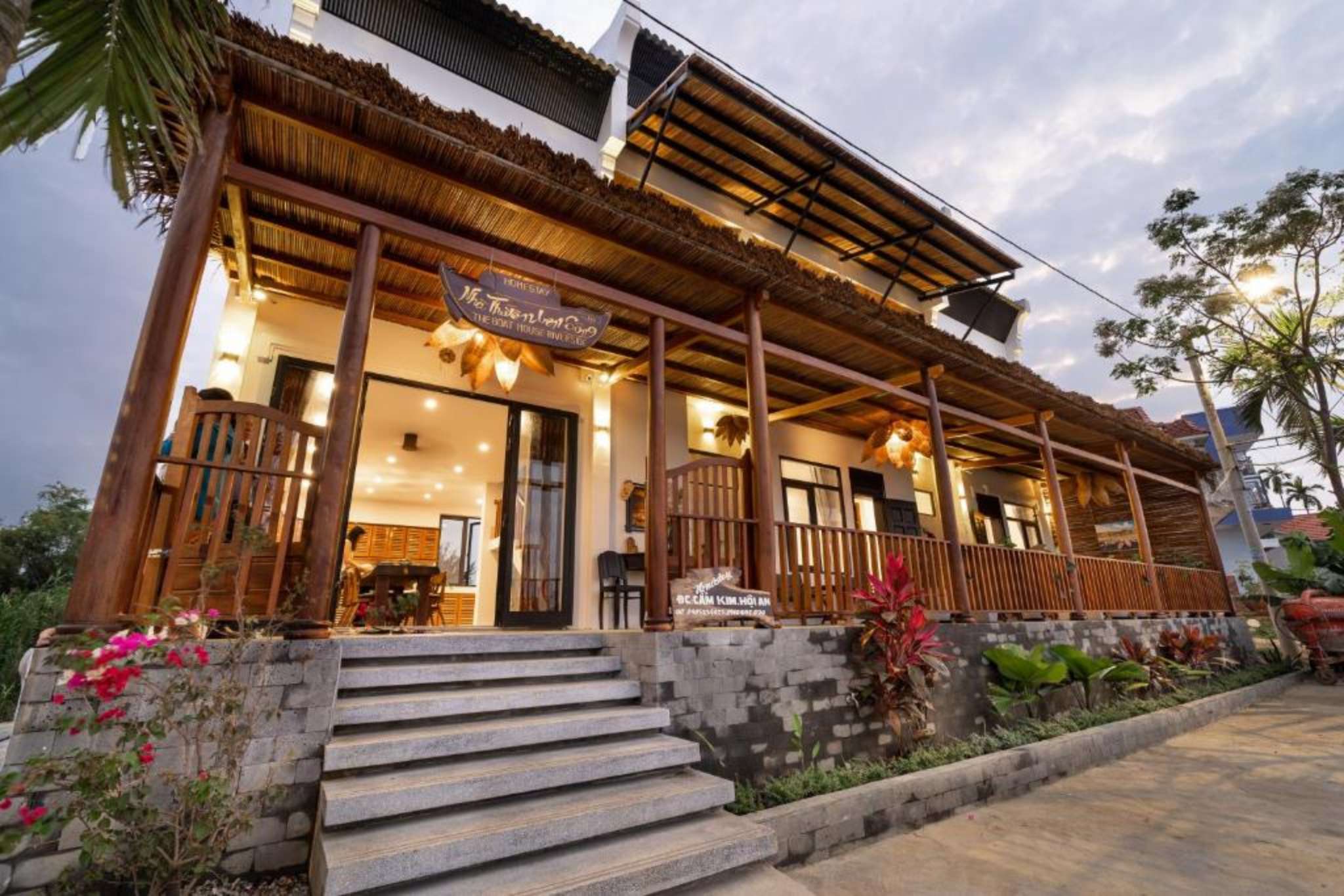
Local family-run lodging options providing authentic experiences.
Tra Que Vegetable Village has supplied Hoi An's kitchens for four centuries using water from the De Vong River and a composting method unchanged since the Nguyen Dynasty.
The fourteen-hectare patchwork lies three kilometres northeast of the Ancient Town, its soil enriched by centuries of seaweed and water-hyacinth fertilizer that locals call "green manure." Farmers here cultivate twenty-one varieties of mint, five types of basil, and thirteen leafy greens found nowhere else in Quang Nam Province. Each morning before dawn, growers harvest crops by hand and deliver them to Hoi An's markets within two hours, preserving the sharp fragrance that distinguishes Tra Que herbs from greenhouse imports.
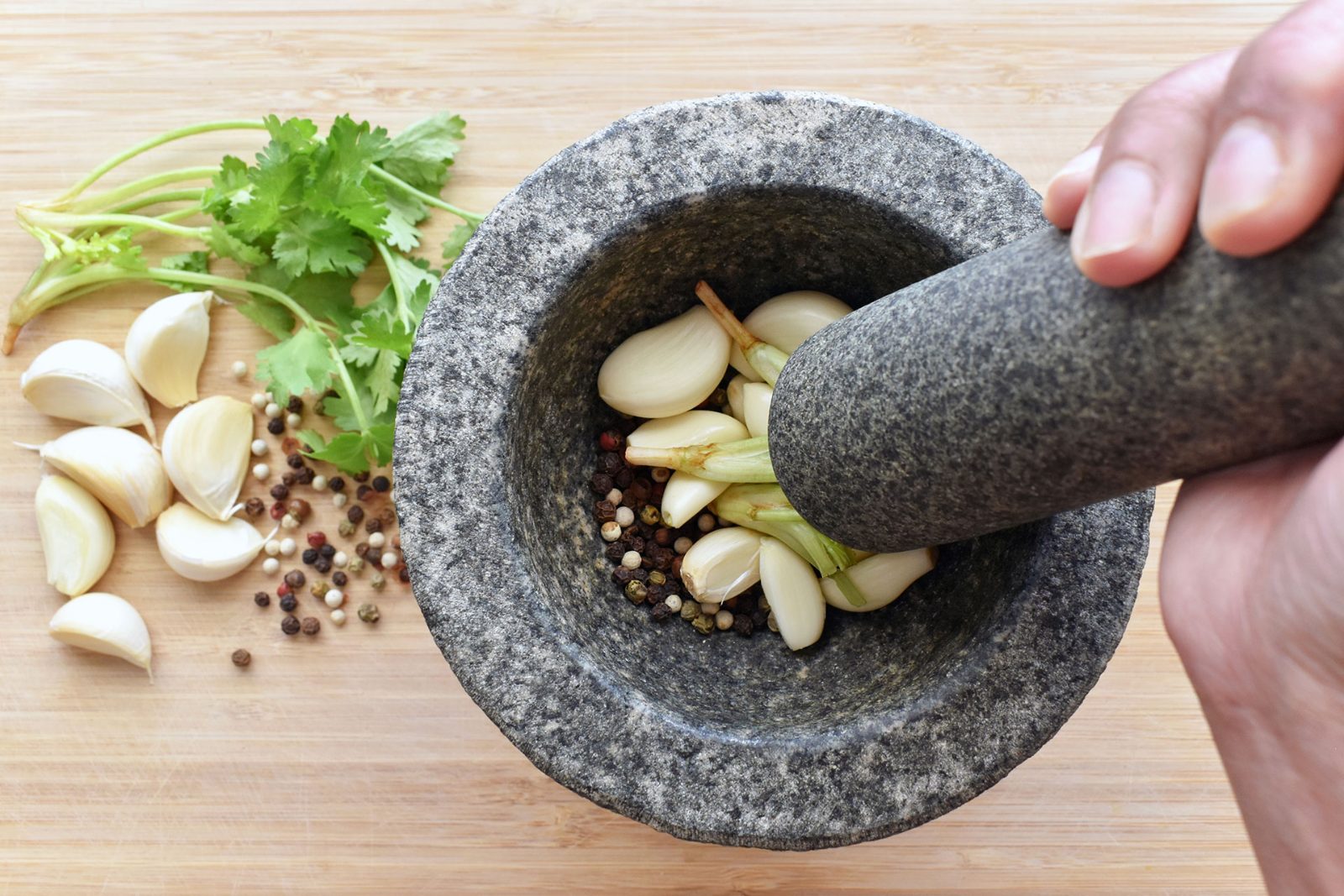
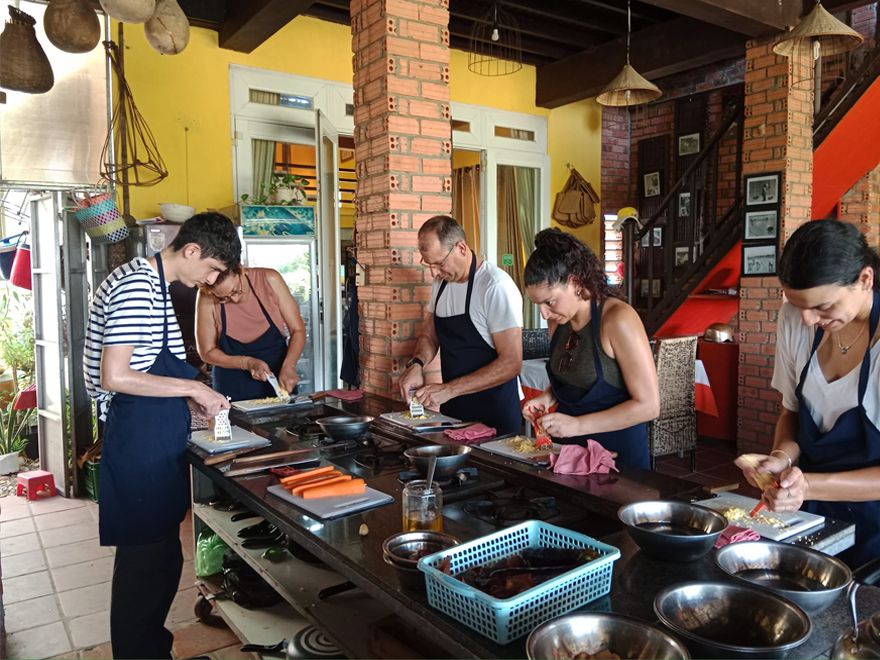
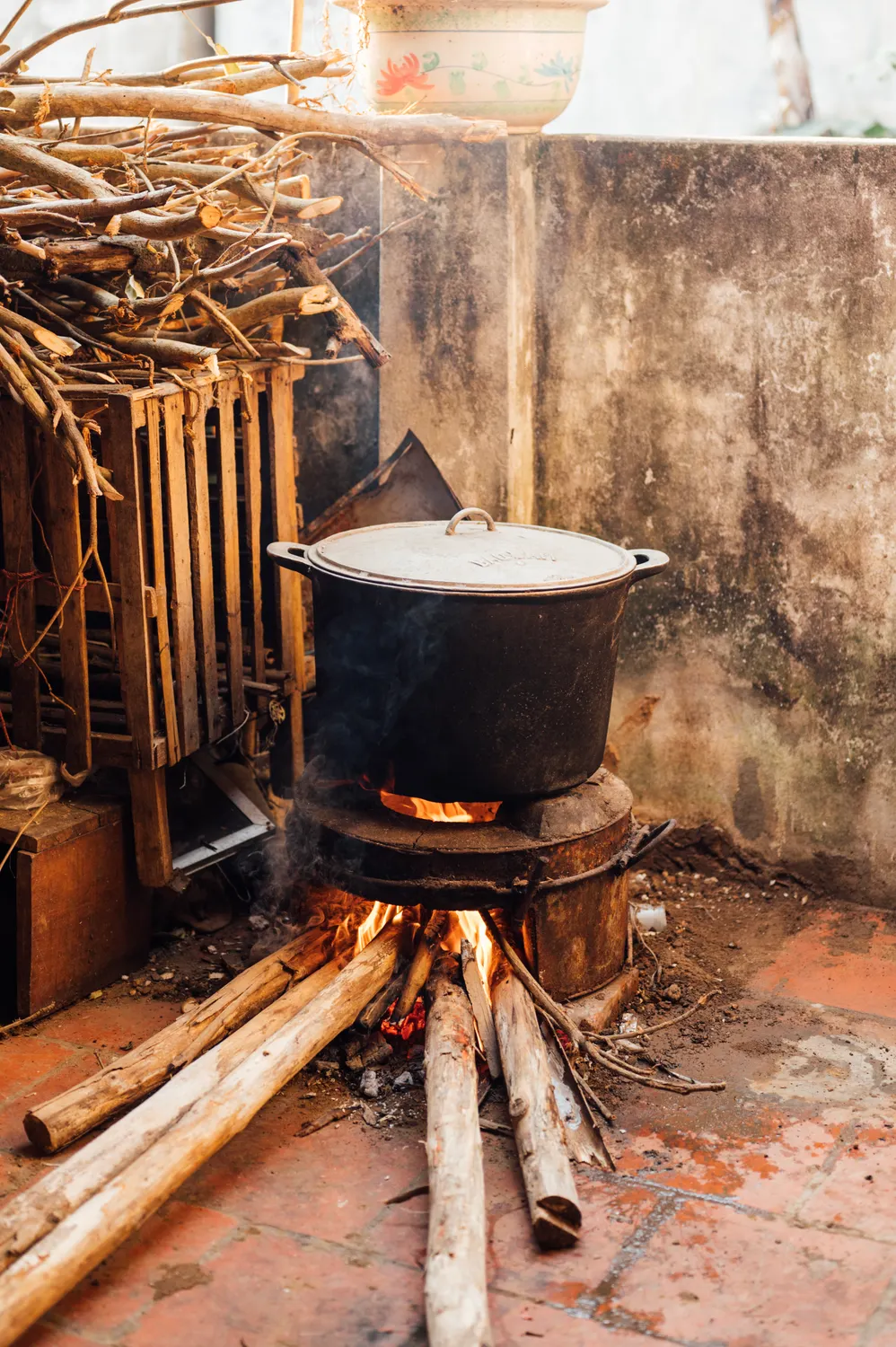
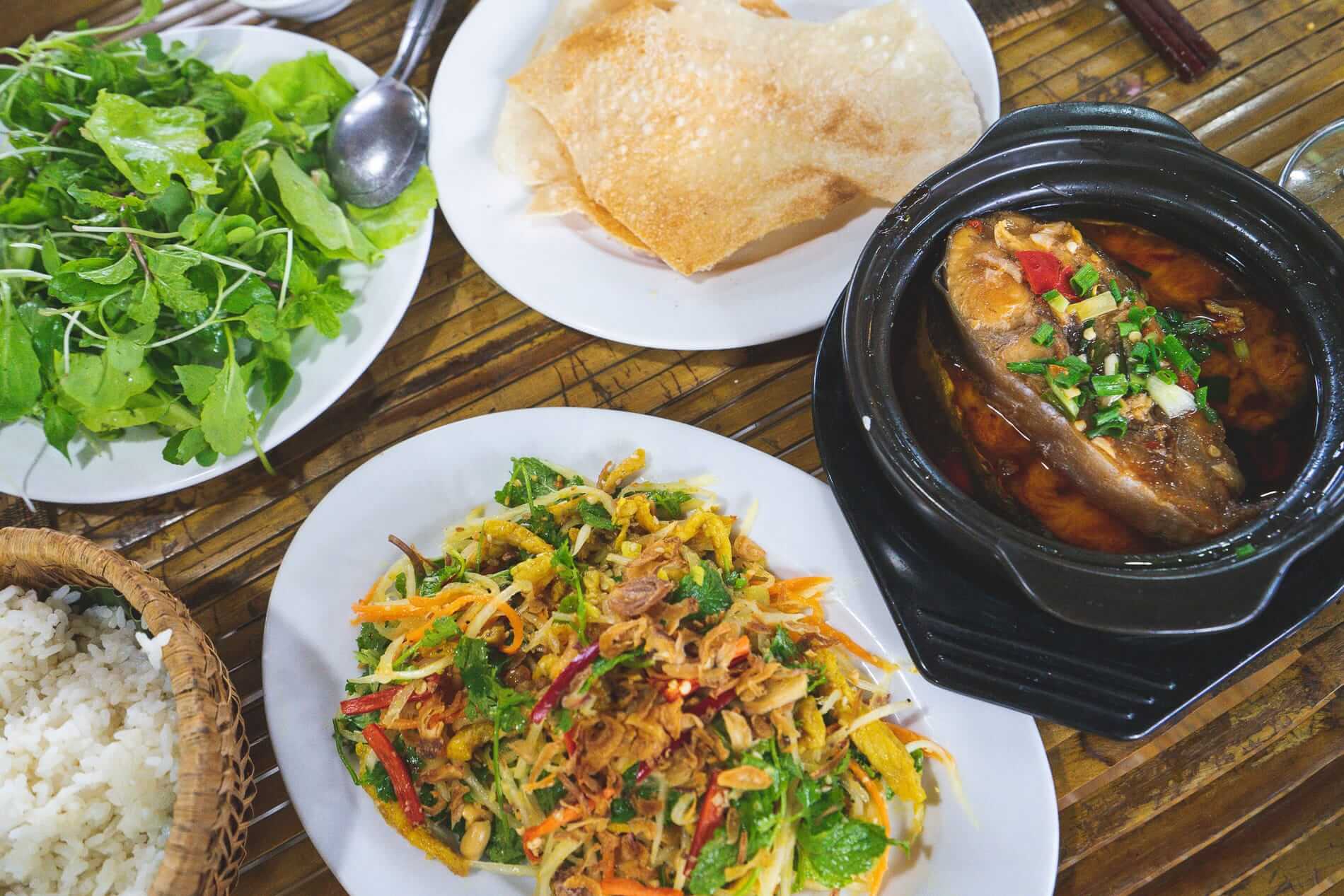
The village opened to culinary tourism in 2009 when a collective of twelve farming families partnered with Hoi An's Department of Culture to offer farm-to-table instruction. A tra que cooking class tour begins in the fields, where participants learn to identify laksa leaf, Vietnamese coriander, and perilla by scent and texture. Guides demonstrate the raking technique used to aerate soil without disturbing root systems, then lead groups through the harvest of ingredients for the day's menu. The teaching kitchens occupy restored timber-frame houses along Hai Ba Trung Street, each equipped with clay charcoal stoves and granite mortars passed through three generations. Classes focus on central Vietnamese staples: banh xeo crepes, tam huu spring rolls, and cao lau noodles, the last prepared with well water that locals insist cannot be replicated beyond the village.
Instructors explain the five-spice balance central to Hoi An cuisine and the role of herbs in Vietnamese medicinal tradition, where mint cools internal heat and fish mint supports digestion. Recipes are taught in the oral style practiced in village homes, with measurements given by hand gesture rather than metric units. Students grind spice pastes in mortars, fold rice-paper rolls at communal tables, and fry crepes over open flame while farmers work the adjacent plots. The conservation fee introduced in 2019 funds irrigation upgrades and the preservation of heirloom seed varieties threatened by commercial agriculture. Tra que's culinary identity remains rooted in subsistence farming practices, and each cooking class tickets purchase directly supports the families who maintain those methods against pressure to modernize.
The village operates seven days a week from seven in the morning until five in the afternoon, though morning sessions align with the traditional harvest rhythm. Tour groups peak between ten and noon, when midday heat reduces the clarity of herb aromas. Independent travelers arriving at dawn witness the full agricultural cycle and join farmers in the fields before the sun climbs above the palm line.

"Recipes are taught in the oral style practiced in village homes, with measurements given by hand gesture rather than metric units."
A step-by-step walkthrough of Tra Que Cooking Class tickets — what you'll see, how long each stage takes, and the details that matter.
You cycle from Hoi An along the narrow levee road, palm groves on both sides, and dismount where Hai Ba Trung Street meets the first vegetable plots. A farmer in a conical hat waves you into rows of mint and basil, their scent sharp in the early air.
You kneel beside her and learn to pinch stems without bruising leaves, filling a woven basket with laksa leaf and perilla. She shows you the raking motion that aerates soil, then leads you to the well where irrigation buckets hang on bamboo poles.
Inside the teaching kitchen, you tie an apron and stand at a timber prep table worn smooth by decades of use. The instructor lights the charcoal stove and sets a granite mortar before you. You grind lemongrass, garlic, and chili into paste, the pestle striking stone in a rhythm she corrects with gentle taps. Rice paper softens in a bowl of warm water, and you fold spring rolls with practiced hands, tucking herbs and shrimp into tight cylinders. The crepe batter hisses when it hits the clay pan, and you swirl it thin, adding bean sprouts and pork before folding it in half. You eat at a low table in the courtyard, the crepe still crackling, while chickens peck the ground and farmers harvest the next plot over.
The village is open daily from 07:00–17:00 for visitors to enjoy the grounds and attend classes. Check individual operator schedules for specific session times.
Yes, the 35,000 VND conservation fee is mandatory per person to support the upkeep of the local vegetable community.
We recommend arriving between 07:00–09:00 to avoid mid-day heat and large tour crowds while seeing farmers tend crops.
Families are welcome, though young children should be supervised around hot kitchen equipment. Most tours are suitable for those aged 6 and up.
Cancellations for your tra que cooking class tour should be made at least 24 hours in advance to secure a refund.
Yes, you are encouraged to take photos of the gardens and cooking process. Please be mindful of the farmers working in the fields.
The village has many unpaved paths, which can make accessibility difficult for wheelchairs. Please contact your tour provider about specific needs.
You can reach the site via taxi or bicycle from Hoi An town center in under 20 minutes.
Wear light, breathable clothing and closed-toe shoes. You will be walking through garden soil, so comfort is essential.
Yes, you can easily visit An Bang Beach or the nearby rice fields before or after your tra que cooking class experience.