3 hr
Organic Farm Cooking Class in Hoi An
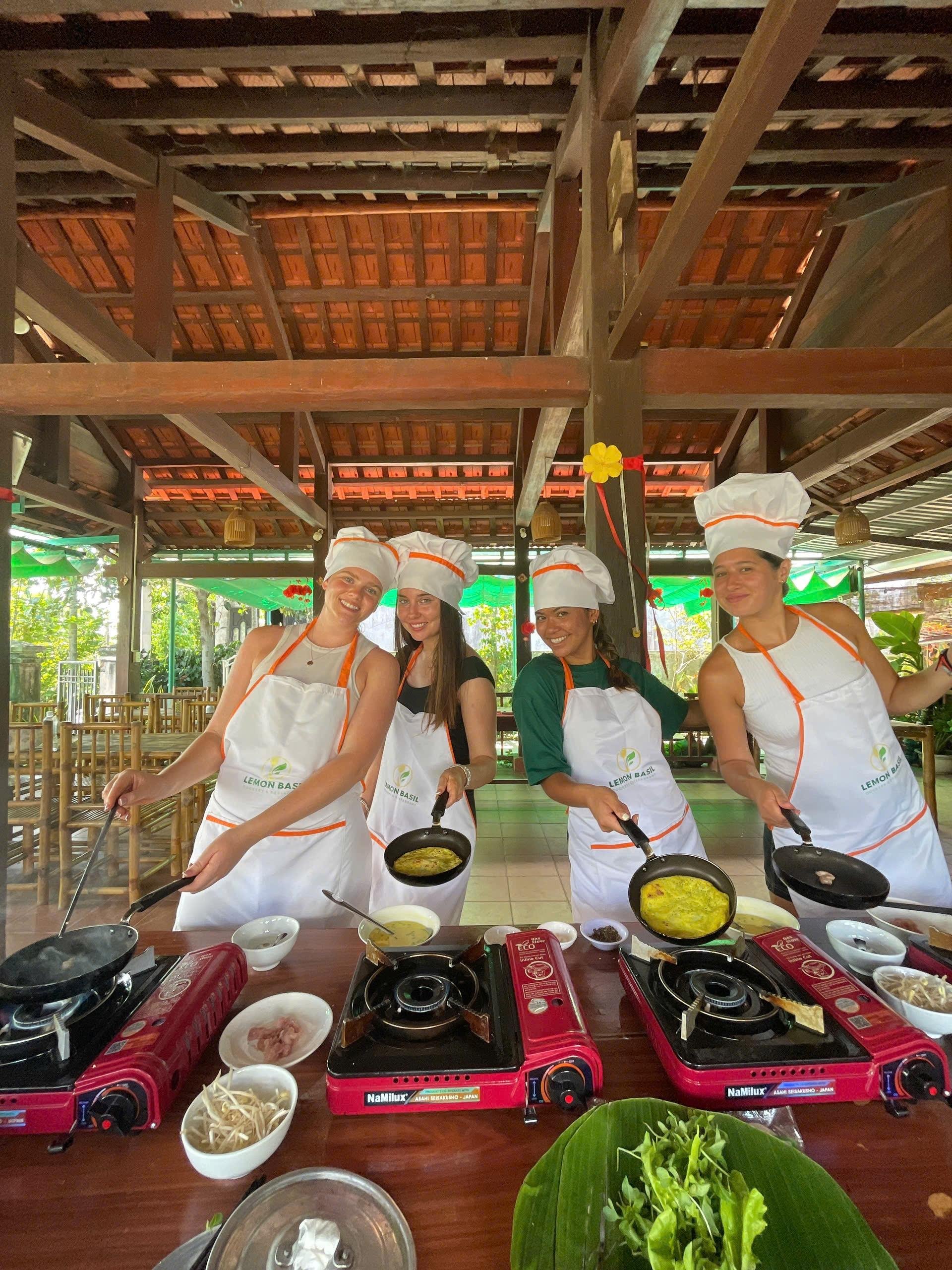
Master four traditional Vietnamese recipes using farm-fresh ingredients in a scenic countryside setting
Reserve
Hand-picked by our editors — only the best 5 experiences from 47 reviewed.
Verified partners for every tour, free cancellation where available, and instant confirmation on every booking.
3 hr
Master four traditional Vietnamese recipes using farm-fresh ingredients in a scenic countryside setting
Reserve
2 hr 30 min
Master authentic Vietnamese dishes in a scenic herb garden with a local chef guiding your culinary journey.
Reserve
5 hr
Pedal through rice paddies to a 300-year-old herb village, then master Vietnamese classics in a hands-on cooking session
ReservePrices from verified partners. Availability updates in real time at checkout. Free cancellation policies apply where shown.
The landmarks, rooms, and views travelers on this tour remember — all visible on a single visit.
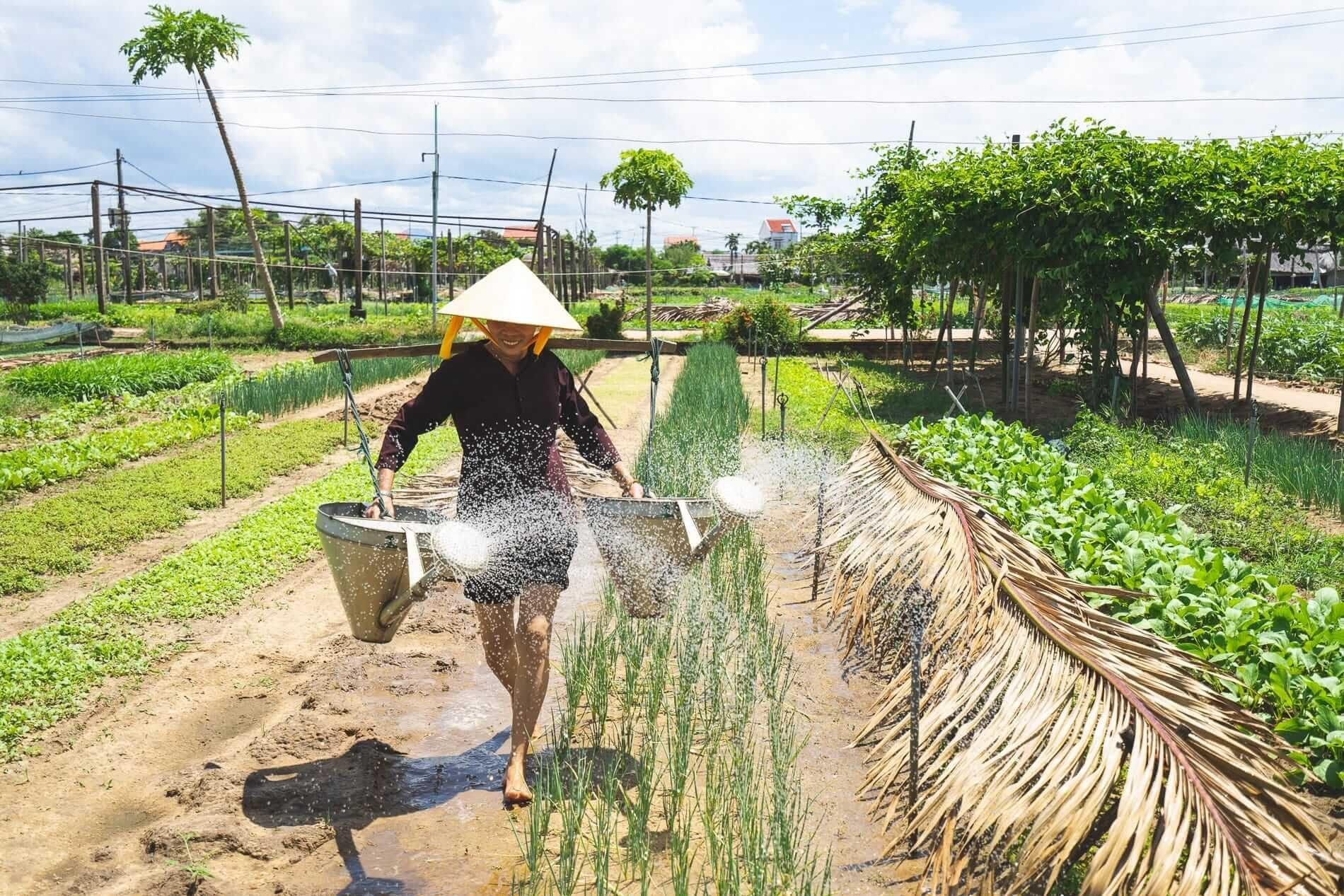
Rows of fragrant basil, mint, and cilantro are grown using 300-year-old techniques.
Traditional Water Wells
Co Co River Banks
Local Farming Plots
Tra Que tours provide an immersive farm-to-table connection, whereas Hoi An market experiences offer a faster-paced dive into the urban culinary culture; most visitors find the tranquil countryside setting more rewarding for authentic ingredient preparation. Purchasing these tra que organic cooking class tickets allows for a deeper understanding of local horticulture compared to the hustle of city-based lessons.
| Feature | Top pick Tra Que Vegetable Village | Hoi An Market Class |
|---|---|---|
Setting |
Rural organic farm | Urban market center |
Key Ingredients |
Freshly harvested herbs | Sourced market produce |
Activity Focus |
Planting and harvesting | Culinary techniques and bargaining |
Physical Exertion |
Low to moderate | Low |
Transportation Needs |
Taxi or bicycle | Walking or taxi |
Conservation Fee |
35,000 VND per person | Not applicable |
| See tickets → |
Verdict: Choose the tra que organic cooking class tour if you prioritize rural immersion, or opt for the market alternative if you prefer experiencing the vibrant local trade culture through these tra que organic cooking class tours.
Choose your ticket, select your date, and reserve in under two minutes. Secure checkout handled by our verified partner.
Instant confirmation by email, with a mobile voucher you can save offline. No printing, no queuing at a collection desk.
Arrive at the entrance, show your voucher on your phone, and walk in. Most tickets include priority or skip-the-line access.
Practical details for your visit straight from our verified partners — hours, access, rules, and how to get there.
Tra Que Village, Cam Ha Commune
Main check-in area for visitors
Cycle 3 km north from Hoi An Ancient Town through scenic rice fields.
Wear light, breathable clothing and comfortable shoes suitable for walking in garden beds. Bringing a hat or umbrella for sun protection is highly recommended for any tra que organic cooking class tour.
Small daypacks are fine to carry, but keep them lightweight for bicycle transit. Security is generally informal as this is an open rural community space.
Photography is encouraged throughout the vegetable gardens and during food preparation. Capture authentic moments of local farming life during your tra que organic cooking class session.
The paths through the vegetable patches are mostly flat but can be uneven or muddy depending on recent weather. Those with mobility issues may find bicycle access easier than walking through soft soil.
Mobile phones are permitted for photos and navigation. Please be mindful of signal strength in rural areas.
The experience is highly suitable for families, offering an educational look at organic agriculture. Children often enjoy the hands-on gardening activities included in many tra que organic cooking class packages.
Most sessions include a lunch featuring dishes prepared with garden-fresh herbs. Filtered water is typically provided, but carrying an additional reusable bottle is advised.
Pets are generally not permitted inside the working garden plots due to hygiene and agricultural safety standards.
The village charges a conservation fee of 35,000 VND per person. Booking a tra que organic cooking class tickets in advance ensures your spot with local farmer-chefs.
Tra Que Village, Cam Ha Commune
Main check-in area for visitors
Get directionsBest time to go, insider tips, nearby landmarks, and the cancellation fine print — flip through to skim what matters to you.
How crowds, weather, and events shift across the year.
February to April offers cool, dry weather and lush greenery.
Small details that turn a good visit into a great one.
Visit between 07:00–09:00 to see farmers at their most active and avoid peak heat.
Non-bookable sights within a short walk — free to visit, easy to pair.
A scenic waterway bordering the village, historically used for trade.
Flexible, no hidden fees.
Cancellation terms for a tra que organic cooking class depend on the specific provider. Generally, bookings made for this Hoi An landmark offer full refunds if cancelled at least 24 hours in advance.
Hand-picked options within walking distance — pick a district for vibe, or a specific hotel for convenience.
Upscale lodging located between the town and the village.
Tra Que Village has supplied Hoi An's kitchens with aromatic herbs and leafy greens for over four centuries, its seventeen-hectare patchwork sustained entirely by seaweed fertilizer drawn from the nearby De Vong River and manual labor that predates mechanized agriculture. The soil's mineral composition — a rare blend of alluvial silt and coastal sand — produces basil, mint, coriander, and perilla with flavor profiles distinct enough that chefs in central Vietnam specify Tra Que provenance on restaurant menus. Every morning before seven, farmers wade barefoot between raised beds, harvesting by hand to preserve root systems that will regenerate within days. The tra que organic cooking class model emerged in the early 2010s when village elders partnered with culinary instructors to monetize their agrarian knowledge without sacrificing farming rhythms. Unlike demonstration kitchens in urban Hoi An, workshops here operate inside working farms, often in open-sided pavilions where classes pause when water buffalo need to cross pathways or when sudden rain requires moving woks under corrugated roofing. Participants harvest their own ingredients — typically mint for fresh spring rolls, basil for pho, and mustard greens for stir-fries — then prep and cook using charcoal braziers and clay pots identical to those in village homes. The pedagogical emphasis falls on technique over presentation: how to bruise lemongrass to release oils, how to judge fish sauce balance by aroma, how to fold banh xeo crepes so they crisp without tearing. Tra Que's organic designation carries legal weight under Vietnamese agricultural standards, requiring annual soil testing and prohibiting synthetic pesticides across all member plots. The village cooperative maintains a shared composting facility and rotates crops on a strict schedule to prevent nutrient depletion. This rigor extends to cooking class curricula, which rotate seasonal menus — green papaya salad in summer when papayas hang heavy, caramelized pork with mustard greens in autumn, rice-paddy crab during the monsoon harvest. Most workshops span three to four hours, beginning with a farm walk that explains the seaweed fertilization cycle and ending with a family-style meal that includes dishes cooked by participants alongside supplemental courses prepared by instructors. The conservation fee supports irrigation infrastructure and funds the village's pesticide-free certification audits, ensuring the land remains viable for the next generation of farmers who also teach tra que organic cooking class tours to visitors seeking culinary authenticity rooted in sustainable agriculture.
"Chefs in central Vietnam specify Tra Que provenance on restaurant menus."
A step-by-step walkthrough of the visit — what you'll see, how long each stage takes, and the details that matter.
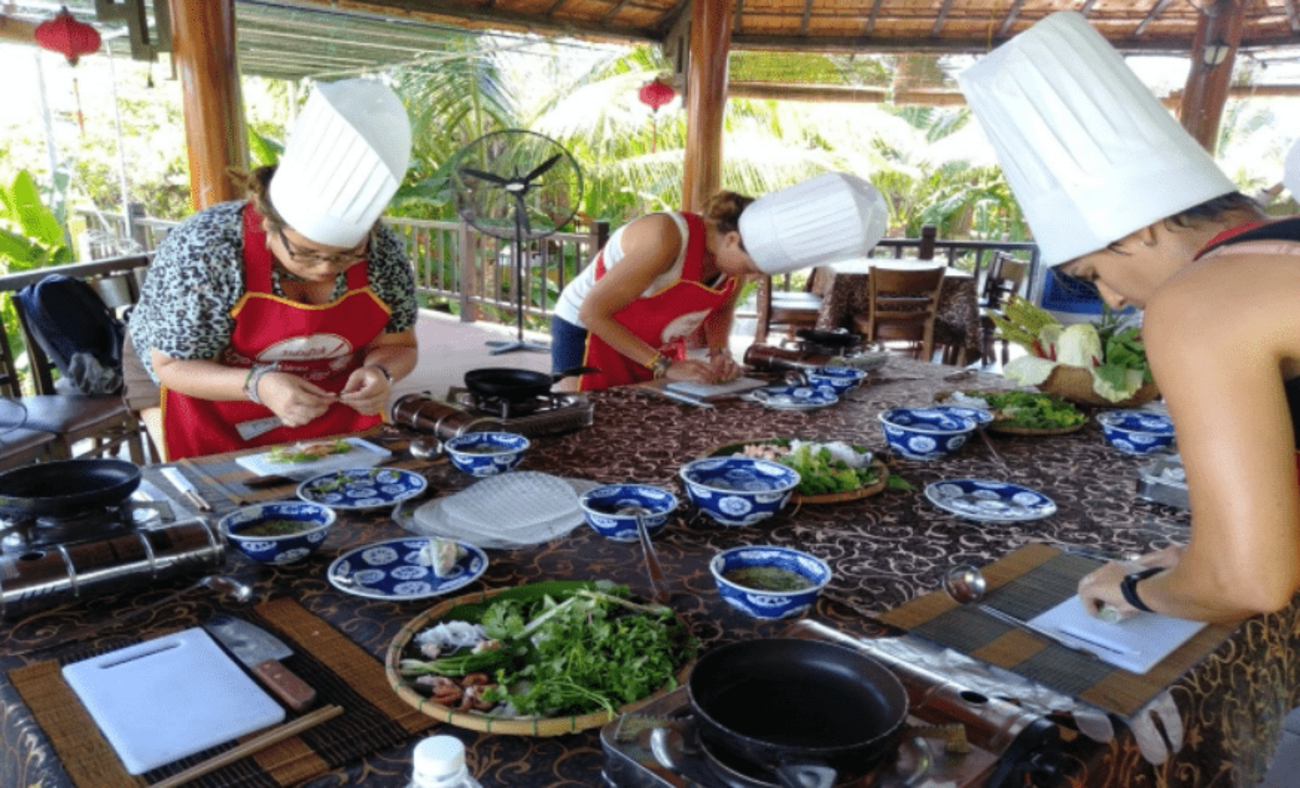
You arrive before eight, when dew still clings to mint leaves and farmers kneel between rows, their conical hats bobbing above the greens. Your instructor — often a third-generation farmer — hands you a woven basket and gestures toward the herb beds: pull basil by pinching stems, not yanking roots. You harvest handfuls of perilla, coriander, and Vietnamese balm, their oils staining your fingers with scent that lingers through the morning. Back at the open-air kitchen, you settle onto low stools around a communal table. Charcoal braziers glow beneath blackened woks. Your instructor demonstrates knife work — how to julienne green papaya into threads fine enough to tangle on a fork, how to mince lemongrass into a paste that dissolves into caramel sauce. You fold rice paper around vermicelli and herbs, dip banh xeo batter onto a smoking skillet, watch the edges curl golden. Mistakes happen: your spring rolls split, your crepe sticks. Your instructor laughs, repairs the damage with a flick of her spatula, then sets you to work again. You eat what you cooked, seated family-style under thatch. Across the table, another participant tears herbs into their pho. Through the pavilion's open sides, you watch water buffalo drink from an irrigation channel. The conservation fee you paid supports the canal system that keeps this soil productive, the organic certification that keeps pesticides out, the farming traditions that keep tra que organic cooking class workshops grounded in agriculture rather than performance.
The village is open daily from 07:00–17:00.
The 35,000 VND conservation fee is sometimes included in tour prices, but you should confirm with your operator.
The best arrival window is 07:00–09:00 to enjoy the cool morning air and see farmers working.
Children are welcome, and many providers offer discounted or free entry for young kids depending on height.
Yes, you can book tra que organic cooking class tickets through various local travel agencies or online platforms.
The flat terrain is generally accessible, though some garden paths may be uneven.
Wear comfortable clothing, a hat, and shoes suitable for a rural farming environment.
You can easily cycle or take a short taxi ride from Hoi An Ancient Town (approx. 3 km).
Yes, small bags are allowed, but keep them compact for your bicycle ride.
Yes, most cooking classes can accommodate vegetarian or vegan preferences upon request.