4 hr
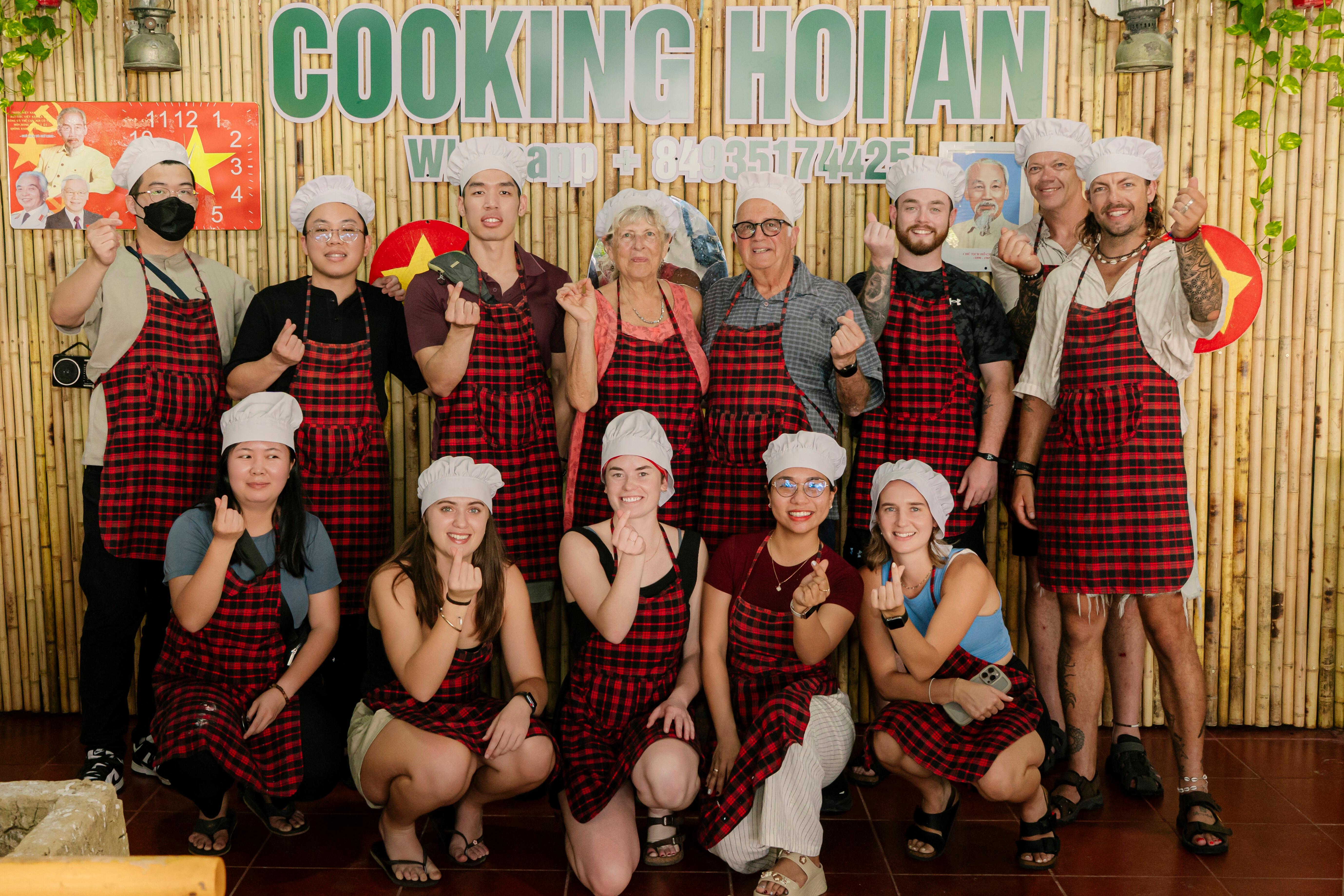
Hoi An Market, Basket Boat & Cooking Class Experience
Journey through a bustling market, glide through coconut groves in a traditional boat, then master Vietnamese cuisine.
Reserve
Hand-picked by our editors — only the best 5 experiences from 47 reviewed.
Verified partners for every tour, free cancellation where available, and instant confirmation on every booking.
4 hr
Journey through a bustling market, glide through coconut groves in a traditional boat, then master Vietnamese cuisine.
Reserve
2 hr 30 min
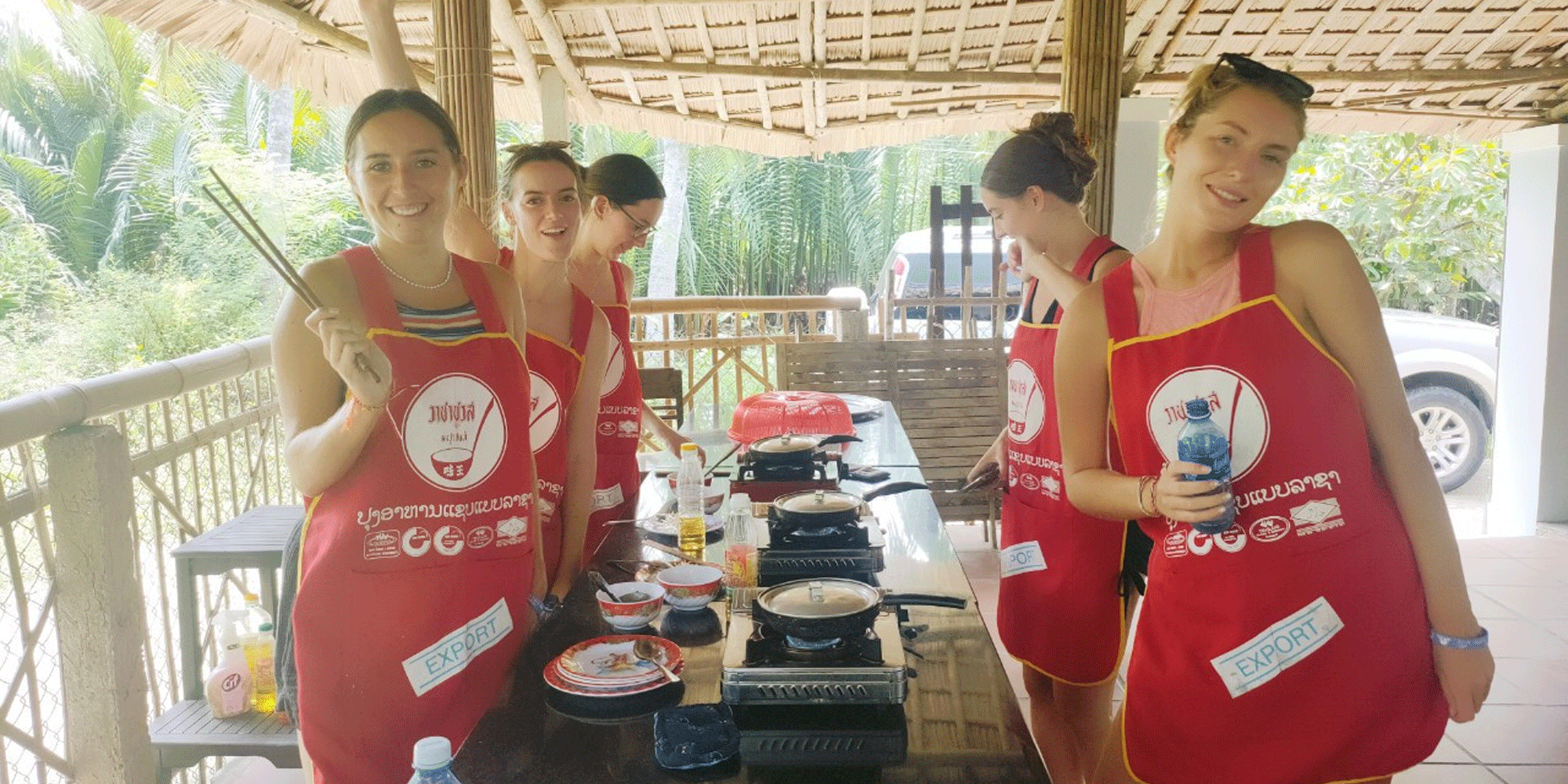
Master authentic Vietnamese dishes in a hands-on class, then enjoy your creations together
Reserve
4 hr 30 min
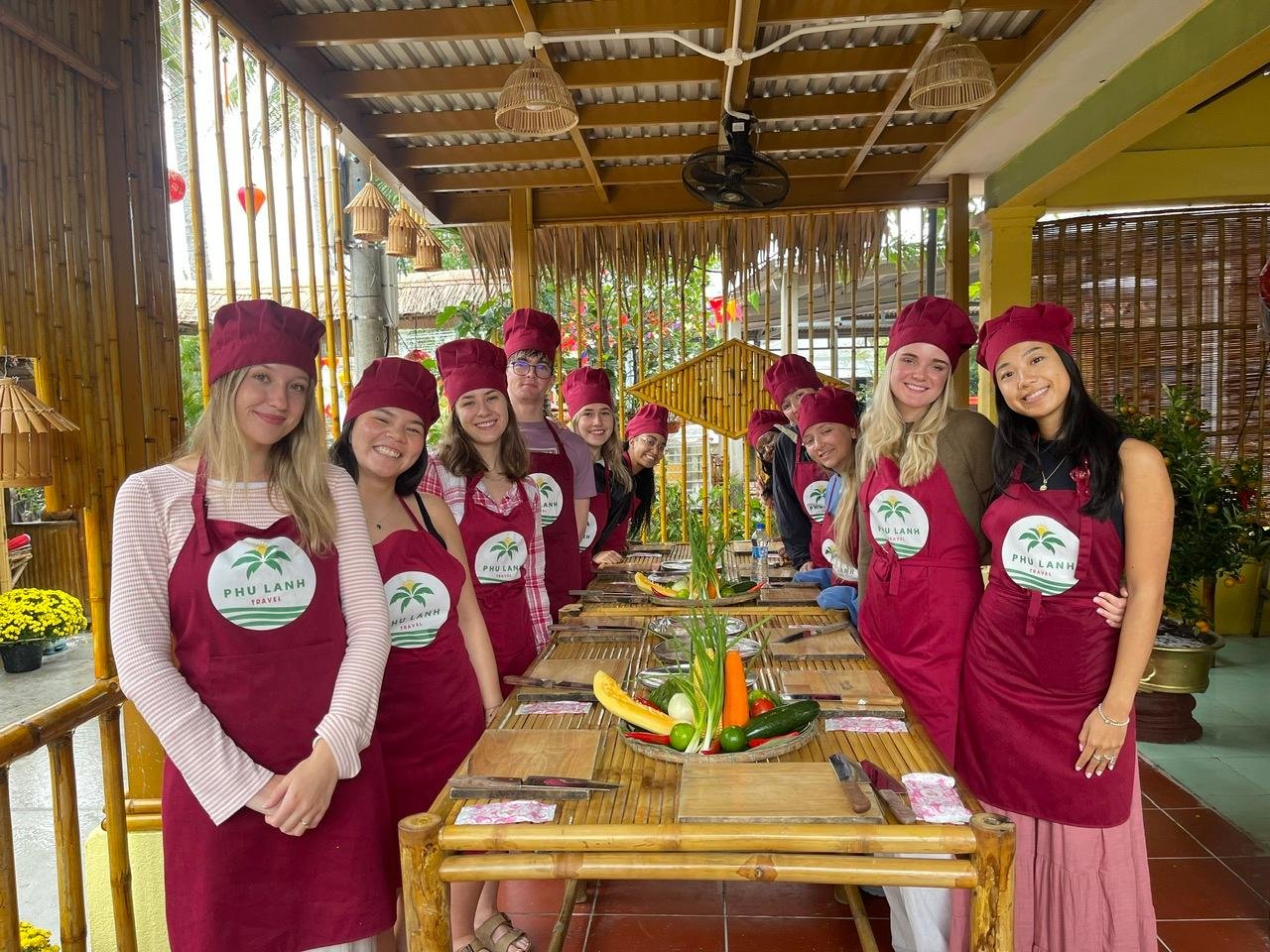
Paddle through coconut forests, craft lanterns, brew Vietnamese coffee, and cook authentic dishes
ReservePrices from verified partners. Availability updates in real time at checkout. Free cancellation policies apply where shown.
The landmarks, rooms, and views travelers on this tour remember — all visible on a single visit.
Rows of organic basil, mint, and cilantro are grown using traditional seaweed fertilizer
Herb garden farming
The ancient irrigation well provides essential water for the entire vegetable growing area
Ancient well Vietnam
Witness the specialized techniques used to till and plant seeds by hand
Organic farming demonstration
A hands-on zone where participants select fresh ingredients for their culinary preparation
Harvesting vegetables Hoi An
The dedicated space where participants cook regional dishes using their own harvests
Outdoor cooking class
They complement each other; most visitors who do both call the farm-based immersion more rustic and sensory compared to the convenience of urban settings. Choosing the right tra que cooking class hoi an tours depends on whether you prefer open-air agriculture or refined kitchen instruction.
| Feature | Top pick Tra Que Village | Hoi An Old Town |
|---|---|---|
Setting |
Organic herb garden | Restored historic building |
Ingredient sourcing |
Directly from farm rows | Local central market |
Atmosphere |
Natural and rustic | Structured and intimate |
Accessibility |
Cam Ha Commune | Central pedestrian zone |
Physical activity level |
Active planting tasks | Stationary preparation station |
| See tickets → |
Verdict: Select a tra que cooking class hoi an tour for authentic agricultural engagement, or choose an Old Town location if you prefer a climate-controlled environment with nearby tra que cooking class hoi an tickets access.
Choose your ticket, select your date, and reserve in under two minutes. Secure checkout handled by our verified partner.
Instant confirmation by email, with a mobile voucher you can save offline. No printing, no queuing at a collection desk.
Arrive at the entrance, show your voucher on your phone, and walk in. Most tickets include priority or skip-the-line access.
Practical details for your visit straight from our verified partners — hours, access, rules, and how to get there.
Cam Ha Commune
Follow signs from the main road.
The most convenient way to reach Tra Que Vegetable Village from central Hoi An. It takes approximately 10–15 minutes and costs a nominal fee.
Wear light, breathable clothing and comfortable walking shoes suitable for soft, garden soil. A sun hat and light layer are recommended for protection against the intense central Vietnam sun.
Small backpacks or cross-body bags are allowed during your visit to the Tra Que Vegetable Village. There are no formal locker facilities, so please carry your valuables with you throughout the session.
Photography is encouraged throughout the farm, especially while observing traditional organic farming techniques. Please respect the personal space of local farmers while documenting your tra que cooking class hoi an experience.
The village consists of flat, unpaved garden paths which are generally accessible for visitors. Those with limited mobility should be prepared for uneven ground that can become muddy after rain.
Mobile phones are permitted for capturing photos and videos during your visit. Signal strength is generally reliable across the village, though you should focus on the instruction provided during your tra que cooking class hoi an.
Families are welcome, as the outdoor environment provides a hands-on learning opportunity for children. Ensure minors are supervised near irrigation channels and gardening tools during any tra que cooking class hoi an tour.
Participants in a tra que cooking class hoi an will consume the dishes they prepare using fresh, locally sourced herbs. Bottled water is provided, but it is recommended to bring an extra canteen to stay hydrated.
Pets are not permitted within the active vegetable cultivation areas to ensure food safety standards. Please make alternative arrangements for your animals before arriving at the village.
As a working agricultural site, visitors are guests of the local community. Always follow the instructions of your host to avoid damaging the delicate crops produced at this destination.
Best time to go, insider tips, nearby landmarks, and the cancellation fine print — flip through to skim what matters to you.
How crowds, weather, and events shift across the year.
Expect cooler temperatures but be aware of the peak rainy season. Visiting during the morning hours provides the best light for photography.
Considered the most pleasant time for a tra que cooking class hoi an, with mild temperatures and dry, sunny days perfect for outdoor farm work.
Small details that turn a good visit into a great one.
Bring at least one liter of water, as there is very little shade in the fields. The humidity can be high even during the cooler months.
Engage with the farmers to learn about the unique traditional cultivation methods. This adds significant depth to your tra que cooking class hoi an.
Non-bookable sights within a short walk — free to visit, easy to pair.
A popular stretch of coastline ideal for relaxing after completing a tra que cooking class hoi an.
An ancient well historically significant to the local culinary traditions of the region.
Flexible, no hidden fees.
Full refunds are typically available for cancellations made at least 24 hours before the scheduled start time. Please note that the 35,000 VND conservation and sightseeing fee is generally non-refundable.
Hand-picked options within walking distance — pick a district for vibe, or a specific hotel for convenience.
Upscale properties located near the river and village.
Local family-run lodging providing authentic village atmosphere.
Affordable options situated closer to the Hoi An Ancient Town area.
Tra Que Vegetable Village produces 90 percent of the herbs served in Hoi An's restaurants, a monopoly rooted in mineral-rich alluvial soil and seaweed fertilization techniques unchanged since the seventeenth century. The fourteen-hectare farming commune lies three kilometers northeast of Hoi An's Ancient Town, where families cultivate twenty varieties of aromatic greens — perilla, Vietnamese coriander, lettuce, basil — using no chemical pesticides. The village name translates to "sweet vegetable," a reference to the basil's unusually high oil content, a byproduct of the Thu Bon River's seasonal flooding. A tra que cooking class hoi an experience centers on this agricultural specificity. Morning sessions align with harvest hours, when farmers hand-pick greens before the midday sun depletes essential oils. Visitors join cultivators in irrigating raised beds with traditional foot-powered pumps, then wash coriander bundles in ceramic basins. The conservation fee of 35,000 VND per person supports irrigation infrastructure and organic certification programs. Classes typically begin at 07:00, maximizing interaction with working farms before the heat peaks. Culinary instruction follows ancestral Hoi An methods: grinding spices with mortar and pestle, wrapping nem lụi on lemongrass stalks, balancing fish sauce ratios in nước chấm dipping sauce. Recipes emphasize the five-element philosophy — wood, fire, earth, metal, water — manifested through color, texture, and flavor contrast. Instructors demonstrate bánh xèo pancake technique, pouring turmeric-tinted rice batter onto sizzling skillets to achieve the signature crispy edge. Most programs incorporate basket boat navigation through Bay Mau coconut forest, linking tra que cooking class hoi an tours to broader agricultural ecosystems. The village operates seven days weekly from 07:00 to 17:00, though afternoon heat discourages fieldwork after 13:00. French colonists first documented Tra Que's herb monopoly in 1923 cadastral surveys, noting farmers' refusal to adopt European crop rotation. That agrarian conservatism now attracts culinary tourists seeking pre-industrial food systems. Local families host cooking classes in open-air kitchens shaded by jackfruit trees, serving completed dishes on low bamboo tables. The experience concludes with recipe cards written in Vietnamese and English, preserving techniques visitors can replicate abroad.
"Tra Que produces 90 percent of Hoi An's restaurant herbs using seaweed fertilization techniques unchanged since the seventeenth century"
A step-by-step walkthrough of the visit — what you'll see, how long each stage takes, and the details that matter.
You arrive at Cam Ha Commune by 07:30, when farmers are already waist-deep in raised beds, harvesting perilla and Vietnamese coriander. Your guide hands you a conical hat and leads you into the rows, showing you how to pinch stems without bruising leaves. You work alongside a family that has farmed this plot for six generations, using a foot-powered water pump to irrigate basil seedlings. The mineral scent of wet earth mixes with mint and lemongrass. In the open-air kitchen, you grind lemongrass, garlic, and chili into paste using a granite mortar, then wrap seasoned pork around sugarcane sticks for nem lụi skewers. Your instructor demonstrates bánh xèo technique: ladling turmeric batter onto a smoking skillet, waiting for bubbles to form, then folding the crepe around bean sprouts and shrimp. You balance fish sauce, lime juice, sugar, and chili in a dipping sauce, adjusting by taste. The cooking class tour includes a basket boat ride through Bay Mau coconut forest, where you paddle a coracle woven from bamboo, spinning in slow circles on black water. You return to the village table to eat what you prepared, seated on low stools under jackfruit branches, while chickens peck at fallen herbs nearby.
The village is open daily from 07:00–17:00. This schedule allows for consistent access to the site throughout the week.
Yes, there is a 35,000 VND conservation and sightseeing fee per person. This fee applies to all visitors entering the village.
The best arrival window is 07:00–09:00 to avoid midday heat and witness farmers at their most active. This timing is ideal for a productive tra que cooking class hoi an.
Wear breathable clothing and comfortable shoes suitable for walking in garden soil. Protecting yourself from the sun is essential while outdoors.
Yes, families are welcome and children often enjoy the hands-on nature of a tra que cooking class hoi an. Supervision is required around tools and irrigation. You can take a taxi for a quick 10–15 minute ride from the city center. It is a simple trip and the most reliable transport method for this attraction.
There are no formal locker facilities on-site. We recommend bringing only essential items in a light bag for your tra que cooking class hoi an. Photography is welcome throughout the farm as you learn. Just ensure you are not obstructing the paths or the work of local farmers during your visit. Yes, the village is located near An Bang Beach and the historic town center. You can easily combine these local sights after your morning class.
Please contact us for more information.